
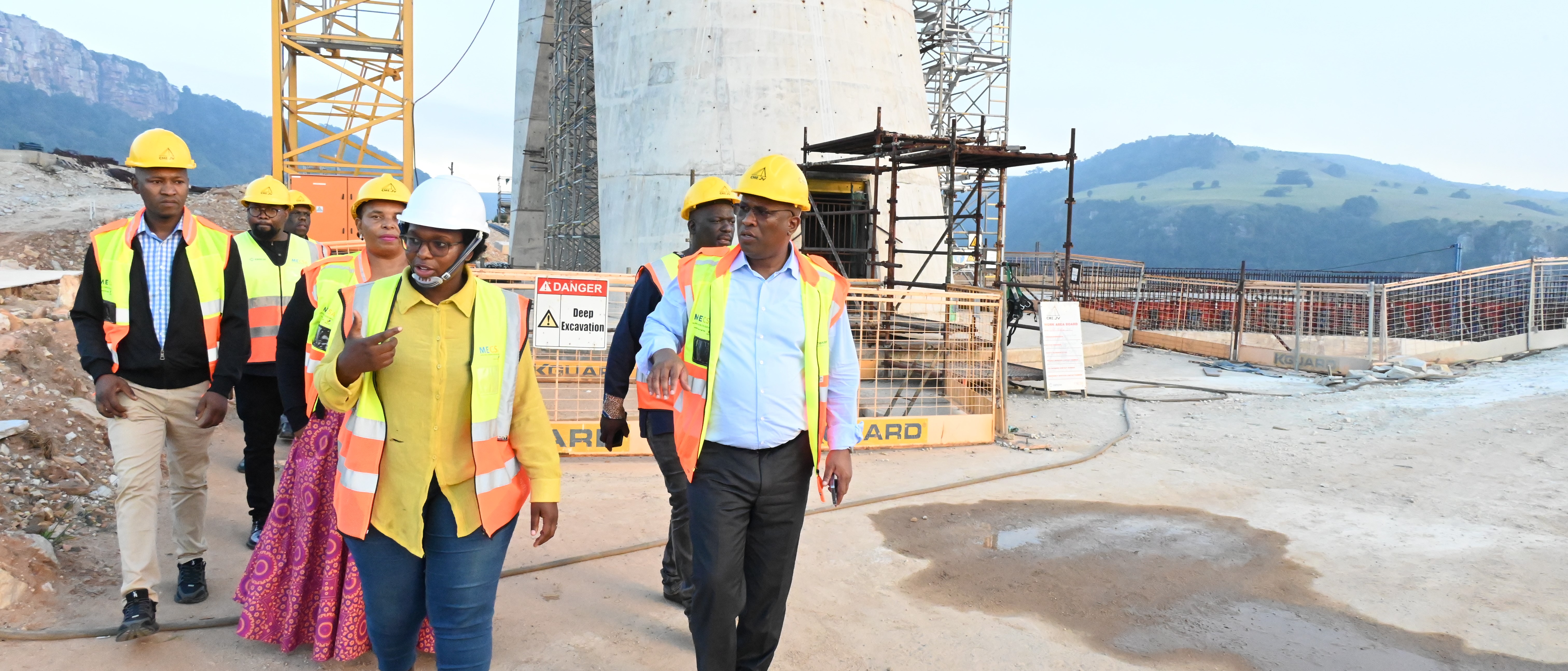

The Eastern Cape Provincial Government led by Premier Lubabalo Oscar Mabuyane welcomed President Cyrill Ramaphosa in a visit of a massive project of Msikaba bridge, at the N2 Wild Coast Road recently. Msikaba bridge is one of two largest and long bridges in Africa, viz Msikaba and Mtentu bridge, legacy catalyst projects which defines the future growth of the country.
These projects have infrastructure investment of not less than R8 billion. This have a huge potential to bring many opportunities for tourism, business ventures and local economic development with most companies as part of LED and 30% subcontracting.
The bridges are part of the N2 Wild Coast Road Project that connects four provinces, namely the Western Cape, Eastern Cape, Kwa-Zulu/-Natal and Mpumalanga.
Some 410km of route stretches from the Gonubie Interchange near East London to near Port Edward, and to the Mtamvuna River at the KwaZulu-Natal border.
There are also seven projects developing 112km of a new highway between Port St Johns and Port Edward, and improvement projects along the existing N2 and R61. Of this, the Port St. Johns and Port Edward portion is a greenfield project that commenced in 2016.
This is SANRAL s flagship infrastructure project here in the Eastern Cape. It is one of 18 designated national Strategic Integrated Projects or SIPs of catalytic value.” President Ramaphosa said during the visit at Msikaba bridge.
By this we mean that they don t only spur economic activity, but community development, service delivery and job creation.” he added.
President also mentioned that another noteworthy aspect of this project is the attention to environmental impact, and that the N2 Wild Coast Region Biodiversity Offset Programme will result in the Silaka and Mkhambathi. Nature reserves being expanded, and lead to the creation of several new protected areas in the Pondoland Centre of Floral Endemism totalling approximately 20 000Ha.
When we announced the Economic Reconstruction and Recovery Plan (ERAP) in October last year, we said that we will prioritize infrastructure spending to support economic growth and job creation in both the short and long term” President highlighted.
What is most beneficial about this massive infrastructure projects is that the yields are sustained over a prolonged period, and that there is the benefit to tourism from both inside and outside the province.
Also, there is the benefit to the provincial and national economy, as this highway will support the transportation of goods and services to the entire Southern African region.
It will create a trade corridor running along the Indian Ocean coastline from Cape Town through to Gqeberha, to East London, to Durban, and to Ermelo in Mpumalanga.
With the coming into operation of the Africa Continental Free Trade Area (AfCFTA) in January this year, I can certainly see this project playing a key role in the movement of goods and services to a continental market” president alluded.
Approximately R4-billion will be spent on targeted enterprises during the construction period of Msikaba bridge, which will be completed by the end of 2023.
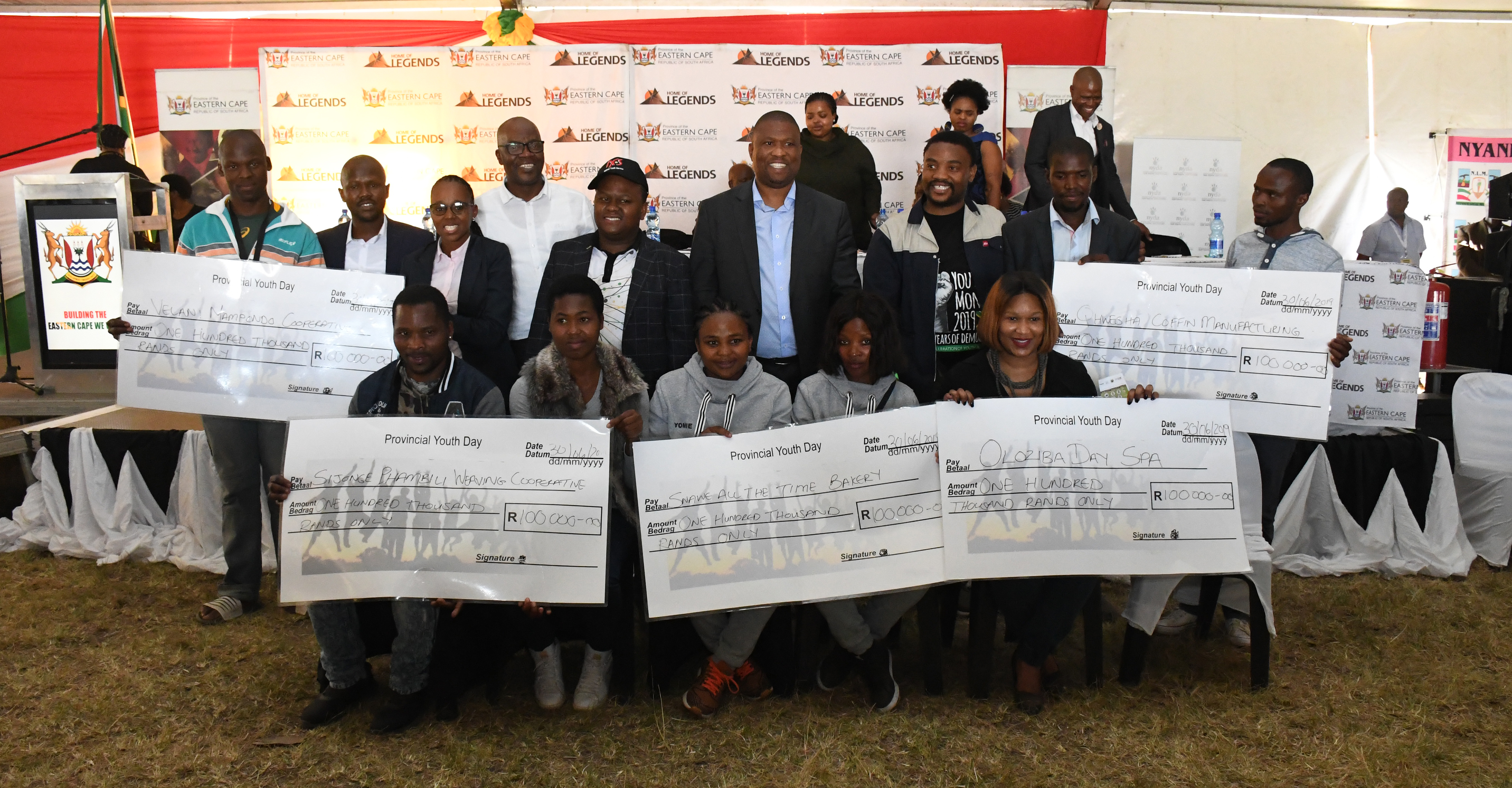
This will ensure that the investment on this project will be ploughed back to communities. Already some R120 million has gone to local SMMEs as part of upgrading and linking of roads, and there are several more projects in the pipeline, and a minimum of 30 per cent of expenditure is earmarked for targeted enterprise sub-contractors and suppliers, approximately R4 bn will in future flow to SMMEs from the OR Tambo and Alfred Nzo Districts.
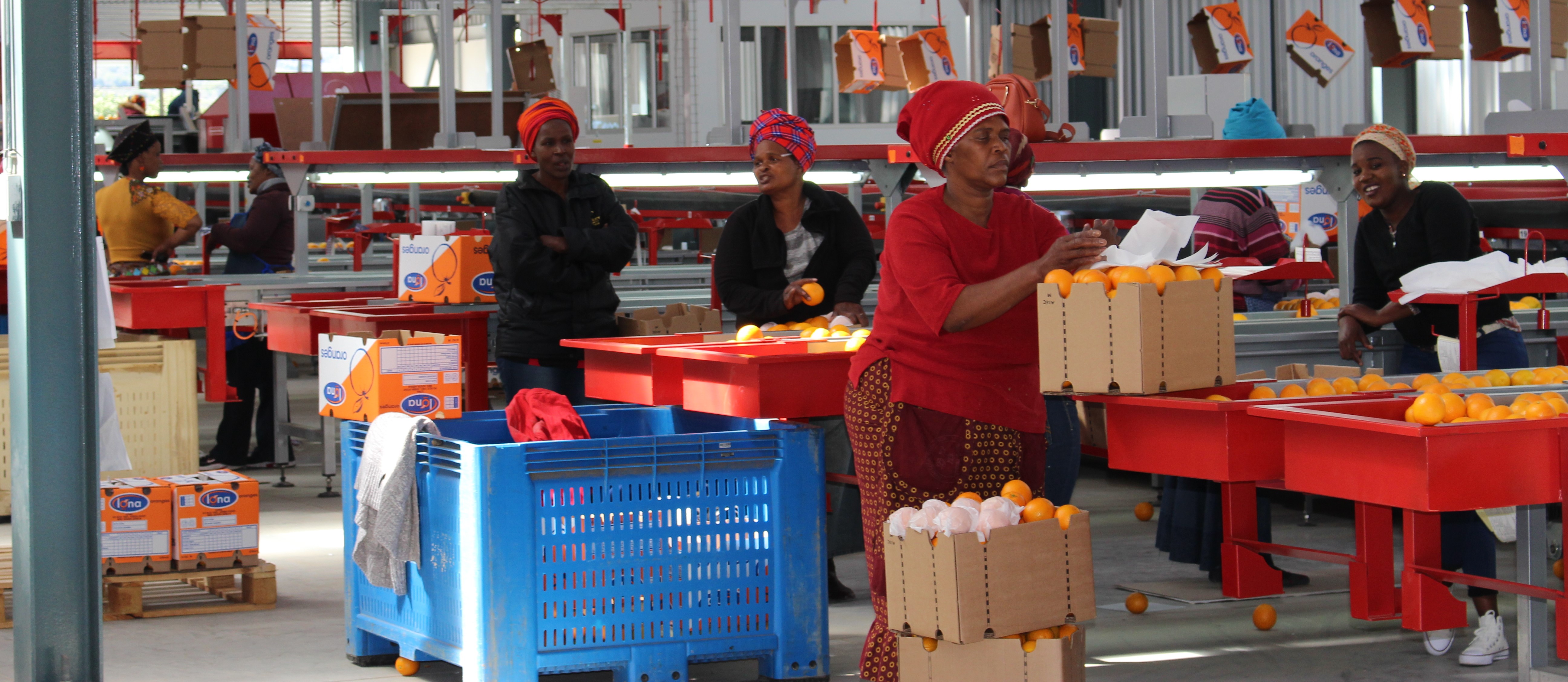
Through this investment, more than 8000 job opportunities have been created and thus improvement in poverty level of the province. Work on the N2 Wild Coast Project will lead to the creation of 8,000 direct full-time jobs and between 21,000 and 28,000 indirect jobs during the construction phase. This translates to a wage bill of around R750 million. Both skilled and semi-skilled people have already been employed on this project.” President said.
Once the road is completed, ongoing maintenance work is anticipated to create another 900 direct, full-time jobs and around 19 000 indirect jobs. These numbers affirm SANRAL s sustained commitment to sustainable job creation. Over the past year alone SANRAL has created 17 760 job opportunities at its various projects around the country. This is part of a government-wide effort to create jobs in our economy. ” he added.

