
THE EASTERN CAPE
Eastern Cape Time To Thrive Is Now
Welcome to the Eastern Cape: The Home of Legends
The Eastern Cape is proudly known as the Home of Legends, a province where history, heritage, resilience and excellence converge to shape a powerful and enduring legacy. Here, legends are not only born; they are nurtured, celebrated and continually created. As the second largest of South Africa’s nine provinces, the Eastern Cape is truly a world in one province. From snow-capped mountains to sun-kissed beaches, from vast game reserves to historic battlefields, our nearly 170,000 square kilometres of diverse landscape reflect the richness of our story. Strategically positioned along the eastern coastline of South Africa, the province is divided into six district municipalities and two metropolitan municipalities, serving as a gateway between tradition and progress.
A province steeped in Heritage And Courage
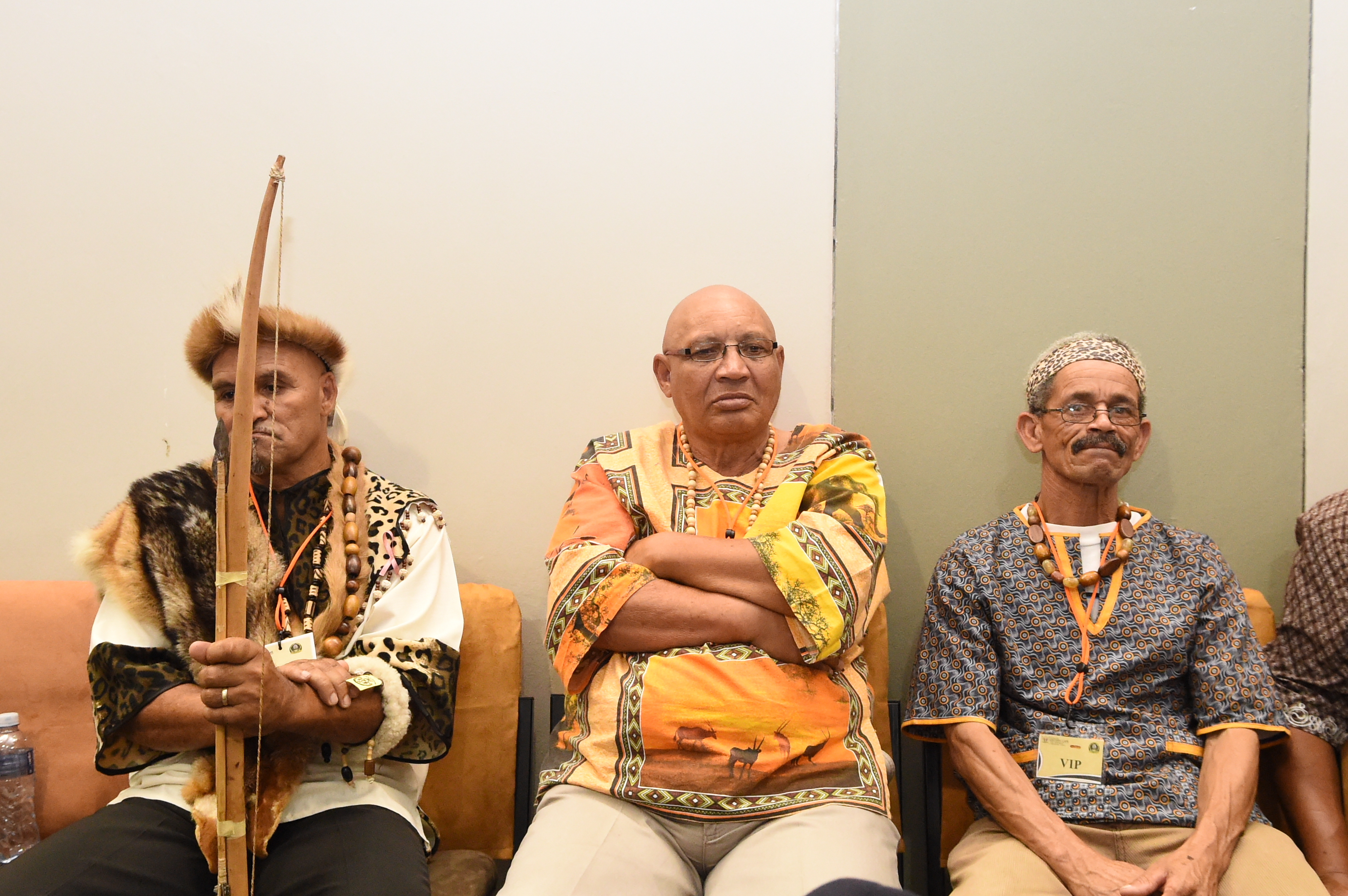
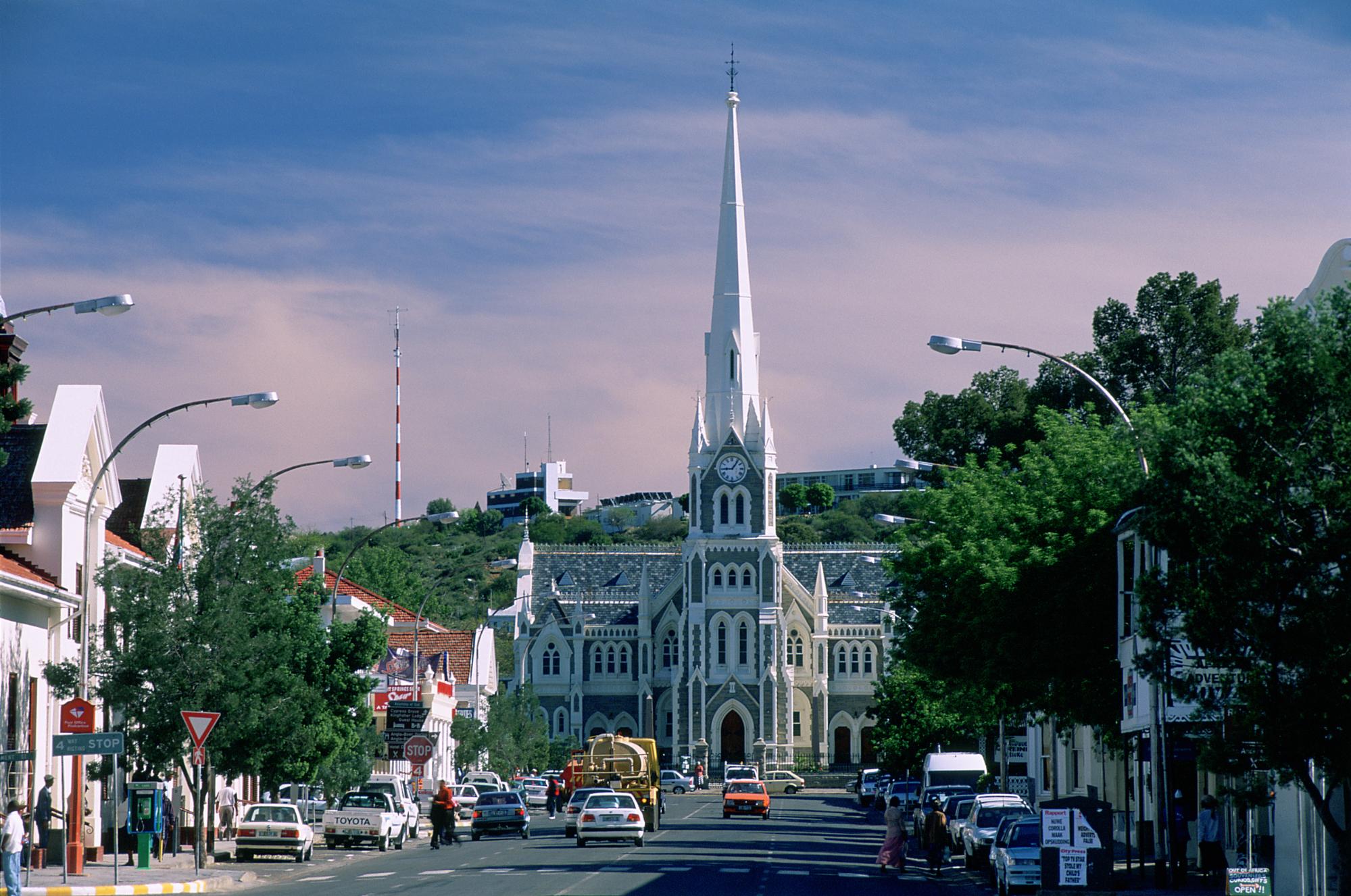
The Eastern Cape’s identity is deeply rooted in vibrant and enduring isiXhosa traditions and an extraordinary liberation history. First encountered by Portuguese explorers in 1488 and later settled by British immigrants in 1820, the province became a defining theatre of resistance, resilience and transformation. It was here that historic struggles unfolded between indigenous communities, particularly the Khoisan and amaXhosa, and colonial forces—conflicts that profoundly shaped the course of South African history. This rich heritage lives on in historic towns such as Bathurst, Makhanda, and Cradock, where culture, architecture and collective memory stand as living testaments to the past. Most profoundly, the Eastern Cape is the birth province of globally revered liberation icons including Nelson Mandela, Desmond Tutu, Steve Biko, Oliver Tambo, Robert Sobukwe, and Govan Mbeki. These towering figures not only shaped the destiny of this province but also altered the trajectory of South Africa and inspired the global struggle for justice and human dignity. Their legacy forms the foundation of our brand promise: this is truly the Home of Legends.
A Government commited to Service And Growth
The capital of the Eastern Cape is Bhisho, located within the Buffalo City Metropolitan Municipality, approximately 60 kilometres west of kuGompo (formerly known as East London).
From this seat of government, the Provincial Administration delivers services through 13 departments and state-owned entities, working collectively to improve the lives of citizens across the province.
The Eastern Cape is also home to two of South Africa’s most successful industrial development zones: the East London Industrial Development Zone and the Coega Industrial Development Zone. These strategically positioned hubs provide direct access to global markets and strengthen the province’s export capacity.
While the provincial economy is strongly anchored in the automotive sector, significant opportunities exist in agriculture and agro-processing, chemicals and petrochemicals, capital goods, manufacturing, green industries, and the broader industrial value chain.
Driving Inclusive Development
The Provincial Government prioritises education, healthcare, rural development, land and agrarian reform, and food security. These priorities are embedded within the Provincial Growth and Development Programme (PGDP), which advances primary food production, value addition through processing and manufacturing, and the creative marketing of agricultural products. Through targeted infrastructure development, investment promotion and inclusive economic planning, the Eastern Cape continues to build an environment where communities thrive and industries flourish.
Our Major Centres of activity
KuGompo (formerly East London) – The economic hub of Buffalo City Metropolitan Municipality and a key port city. Gqeberha (formerly Port Elizabeth) – The largest economic centre in the province and part of the Nelson Mandela Bay Metropolitan Municipality. Bhisho – The administrative capital and seat of the Provincial Government. The Eastern Cape is more than a destination. It is a story of courage, innovation, culture and possibility. It is where legends were born, where resilience was forged, and where a new generation continues to rise.
Welcome to the Home of Legends.
Population
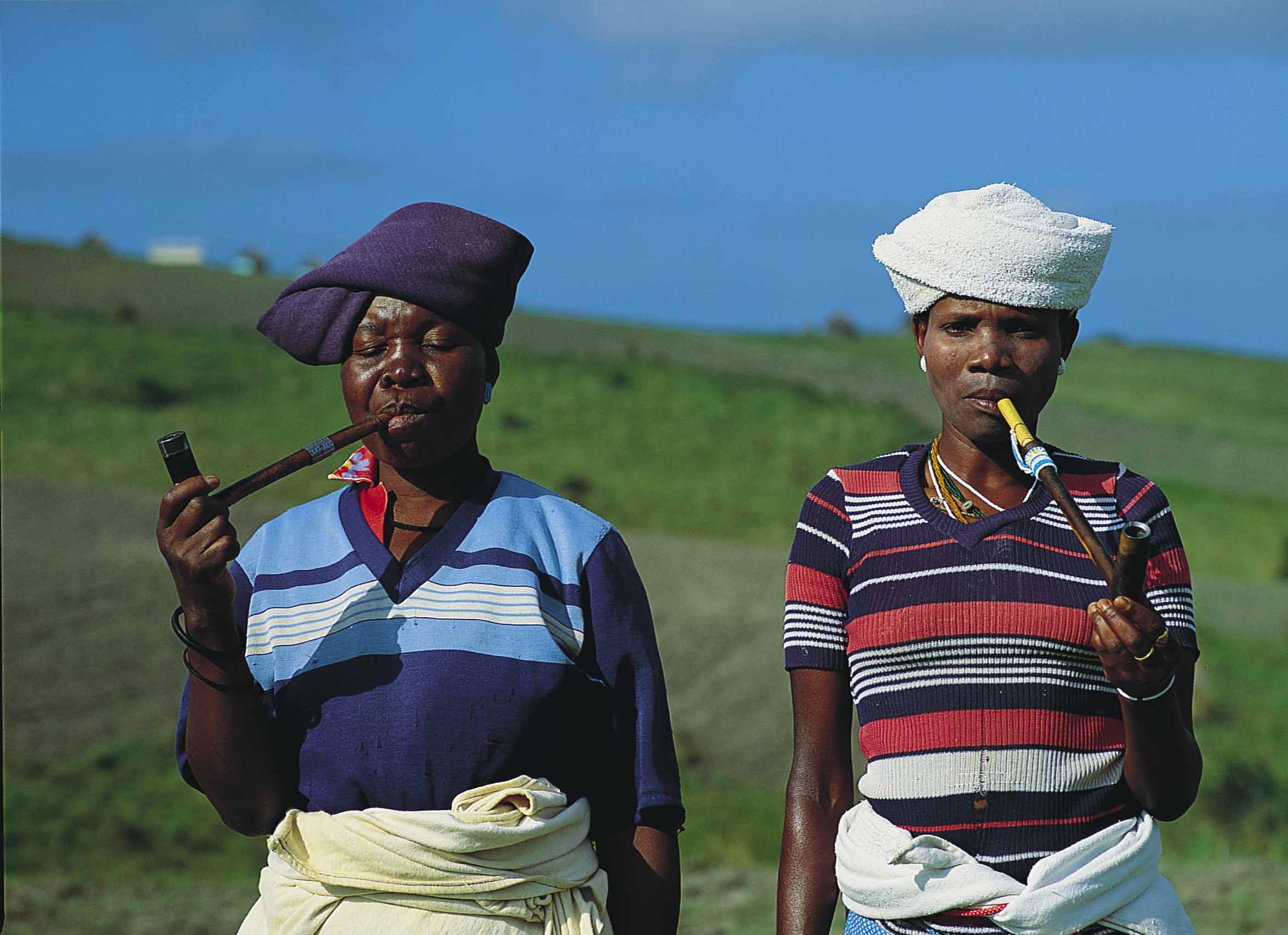
The Eastern Cape is dominated by Xhosa speaking South Africans with Afrikaans and English speaking citizens constituting 11% and 6% of the population respectively. With a 6.6 million population, 13% of South African, the Eastern Cape is the 3rd most populous province in the country. It is the second largest province by land mass with 169, 580 square kilometres (13.9% of South Africa).
 <
<
Climate
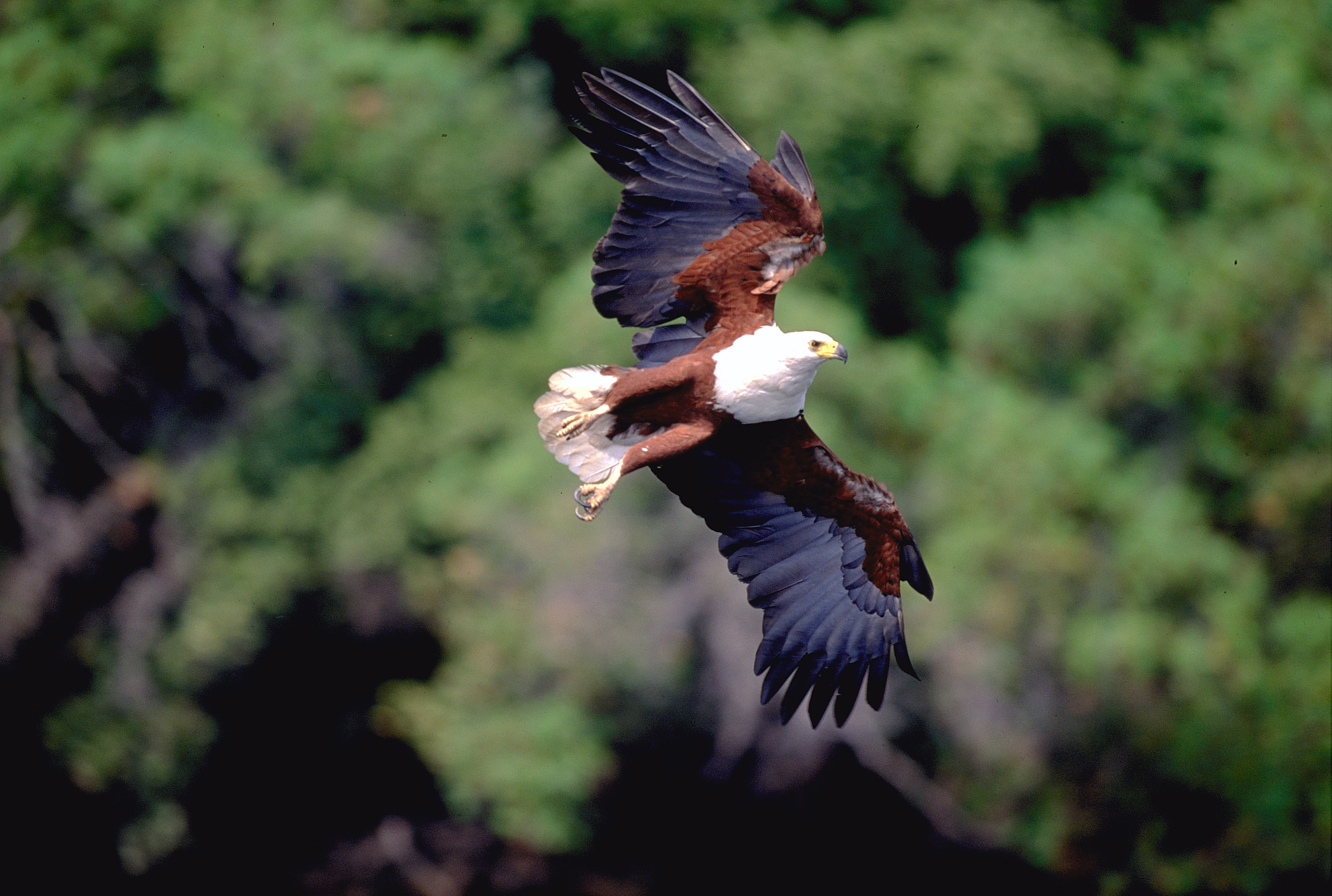
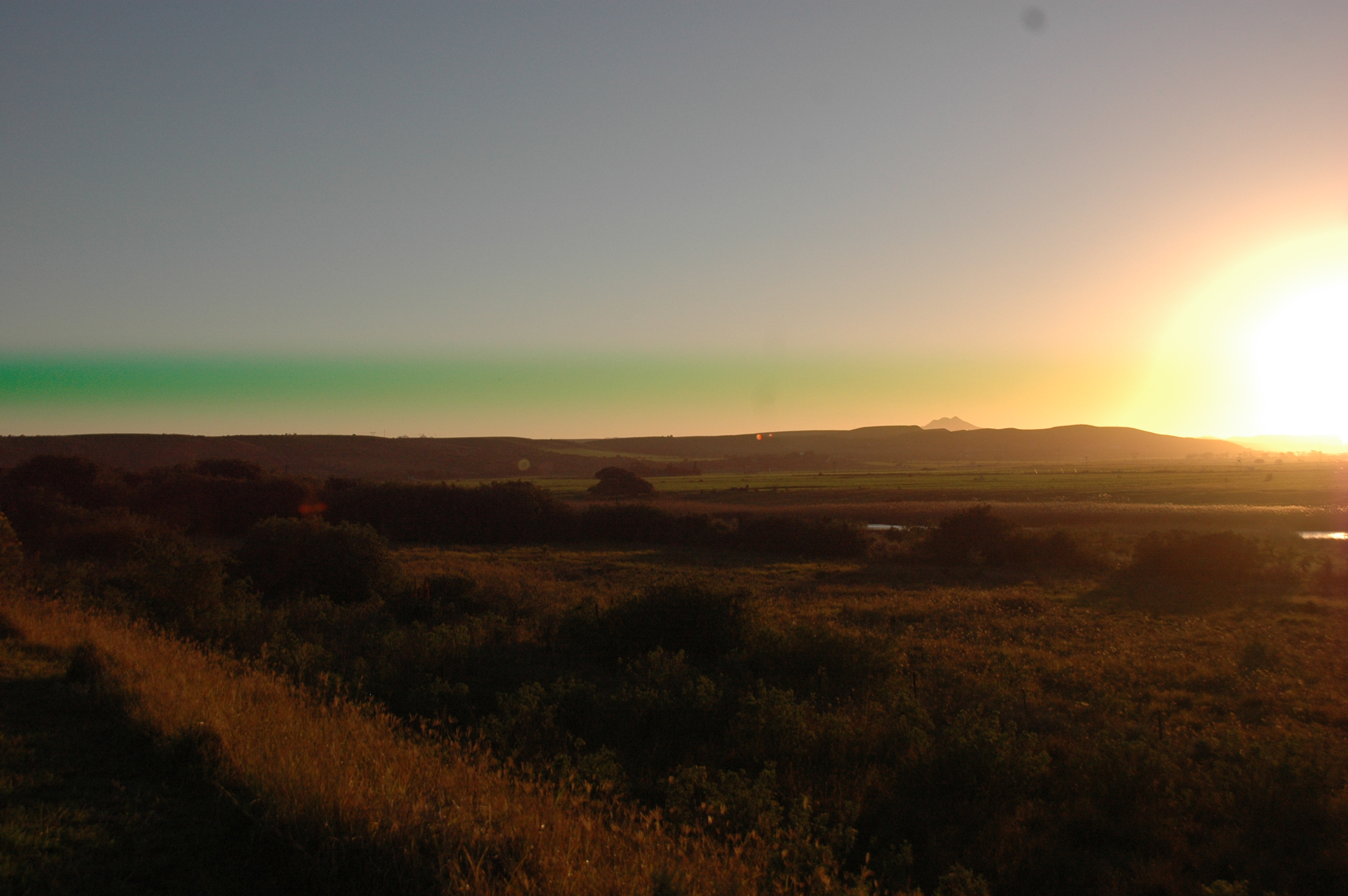
The Eastern Cape is the only one of South Africa’s nine provinces to have all seven of its biomes or ecological zones, within its boundaries. This gives it a tremendous diversity of climates, allowing for a vast range of activities. The Eastern Cape also has more “sunshine” days than any other South African province – more than 300 out of 365 days are sunny.
Natural resources
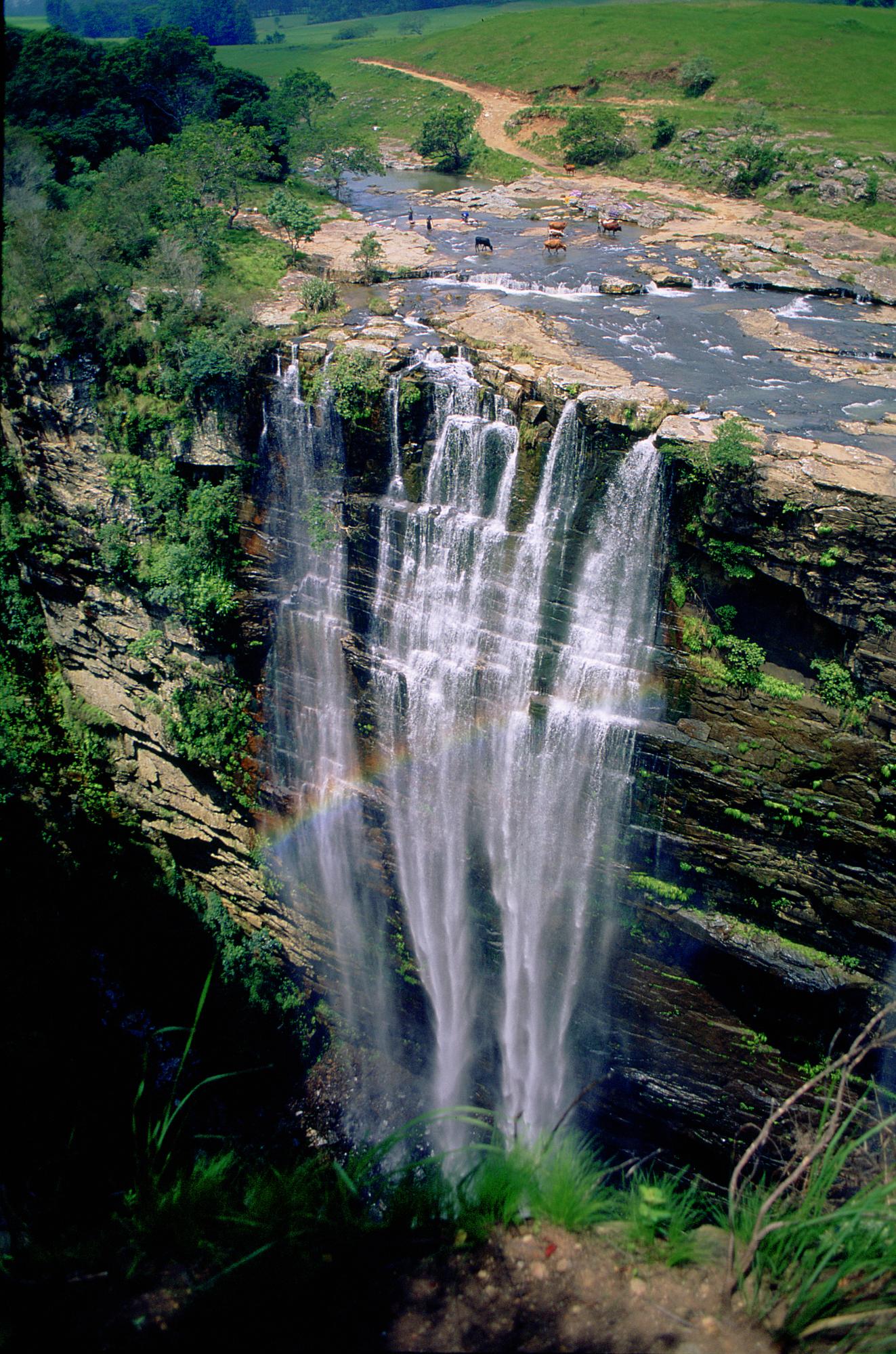
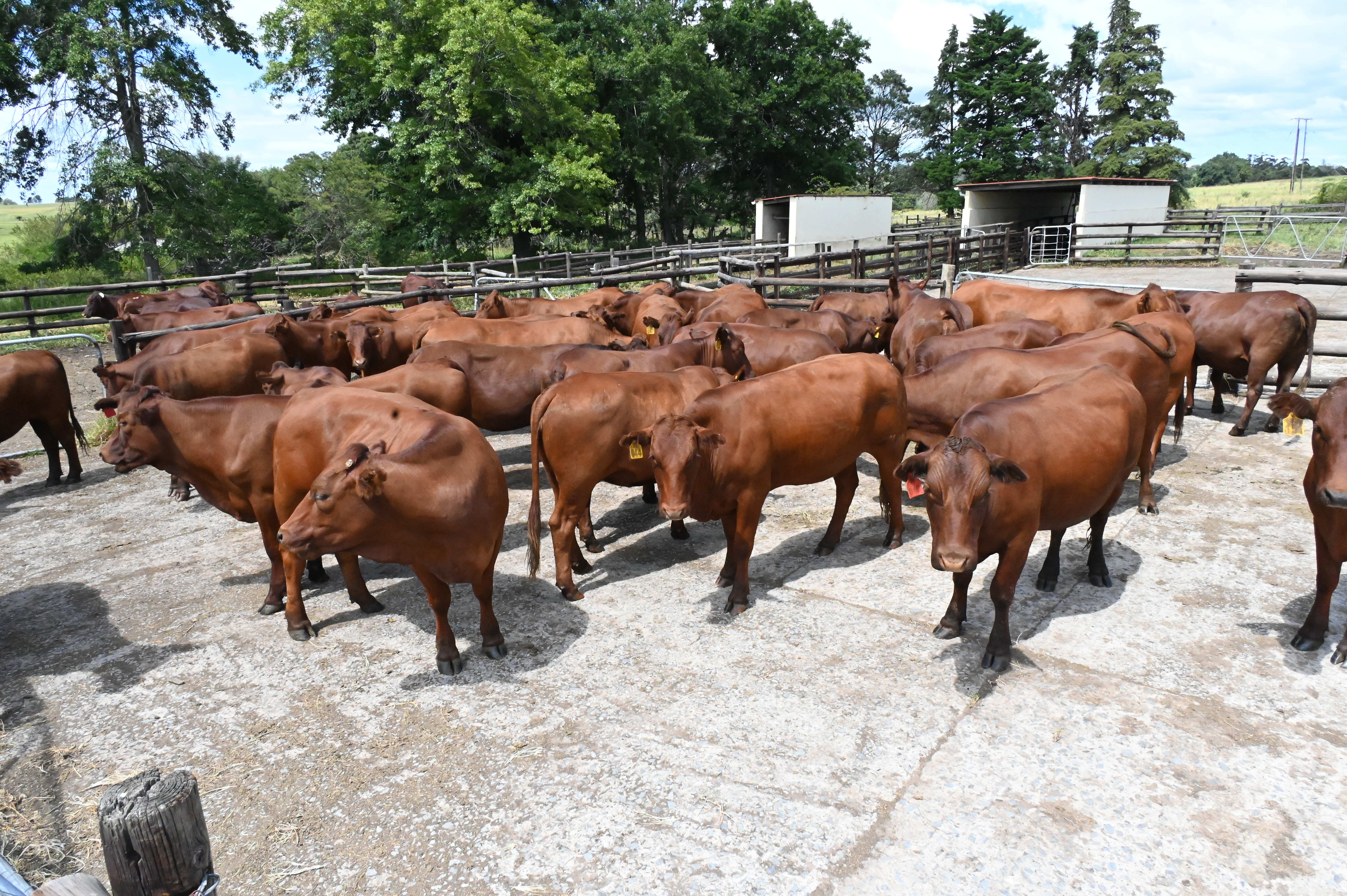
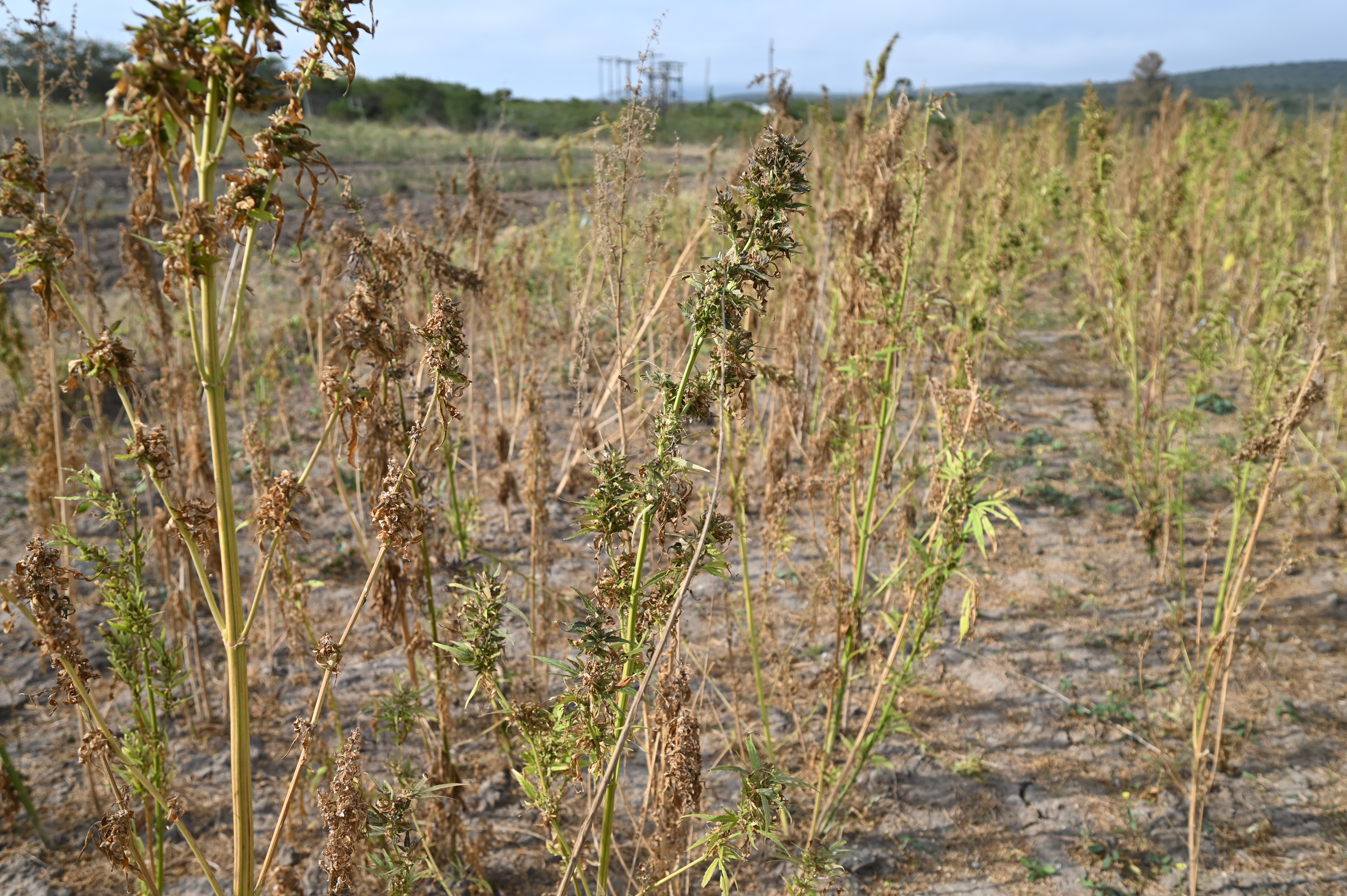
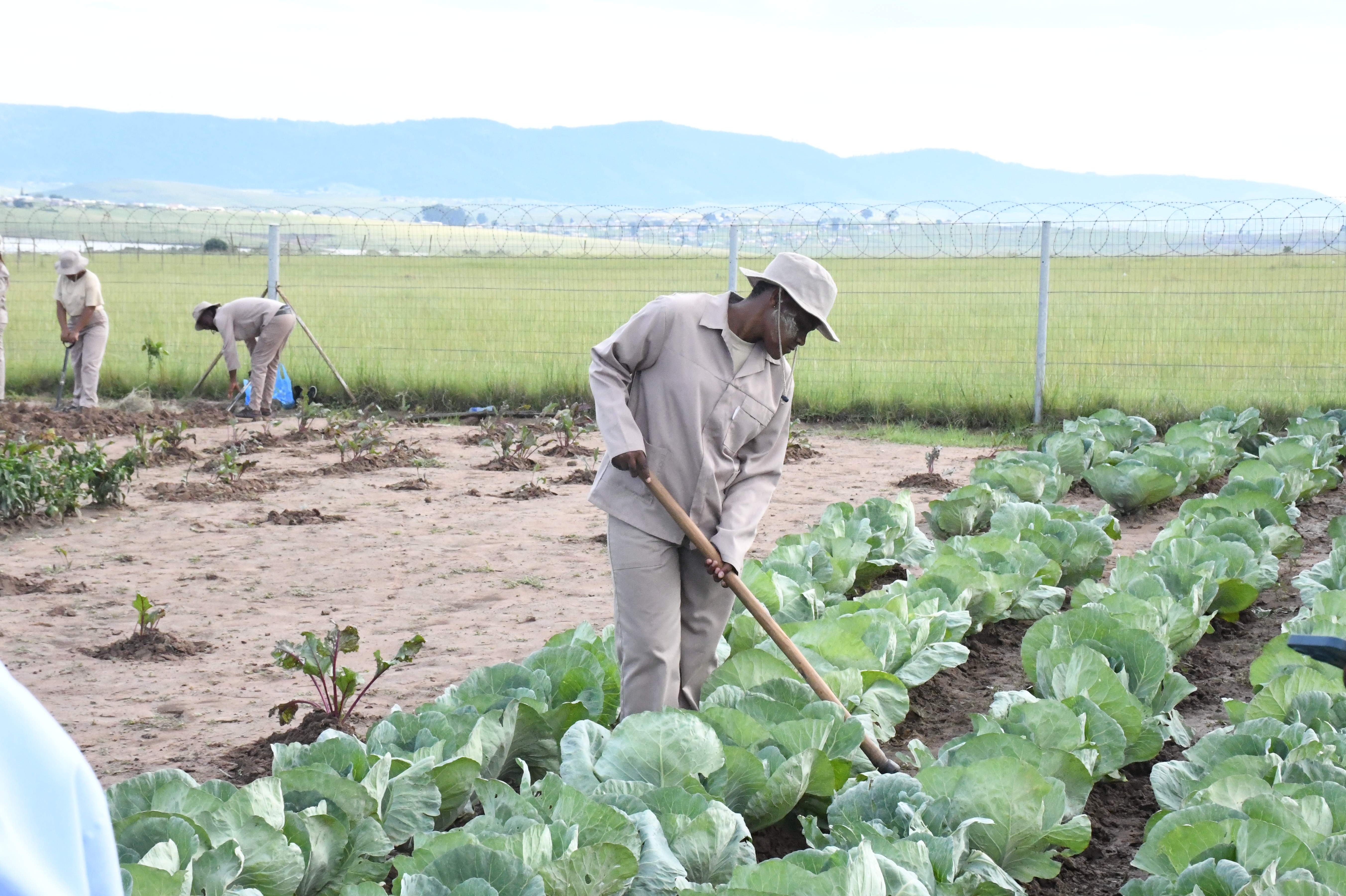
The Eastern Cape is abundantly rich in natural resources, from grazing land to forests, marine life to rich farming soils, water to wilderness. The province’s climate allows for the production of a diverse range of crops such as pineapples, tea, tomatoes and chicory. Pondoland, in the east of the province, holds some of the richest soils in the country. The province’s natural assets include a World Heritage Site in the Baviaanskloof Wilderness, which is part of the Cape Floral Kingdom, the Cacadu district and the world famous Addo Elephant National Park in the Sunday’s River Valley. Between 10% and 15% of land is set aside for provincial nature reserves while private parks comprise a further 15% of conservancies.
Tourism appeal
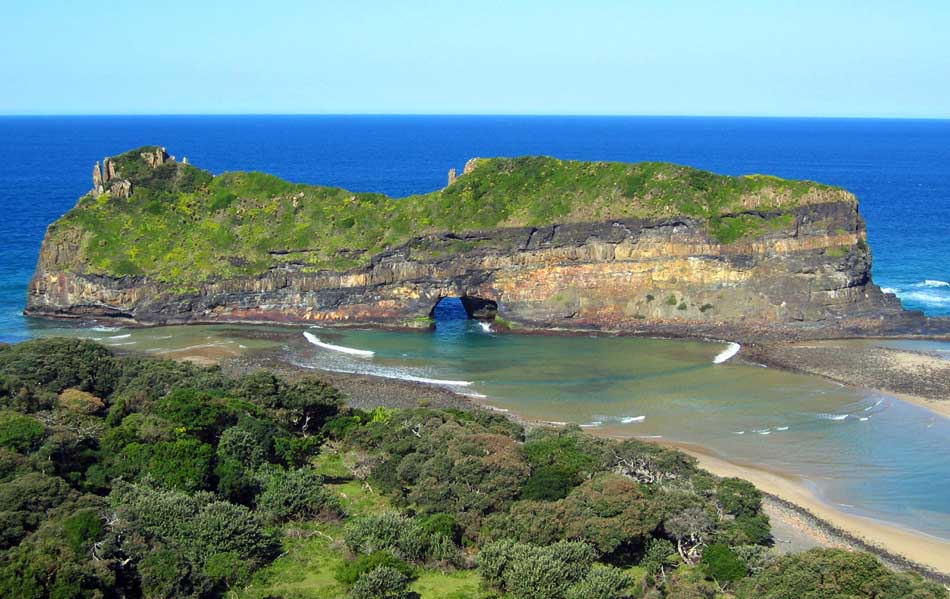
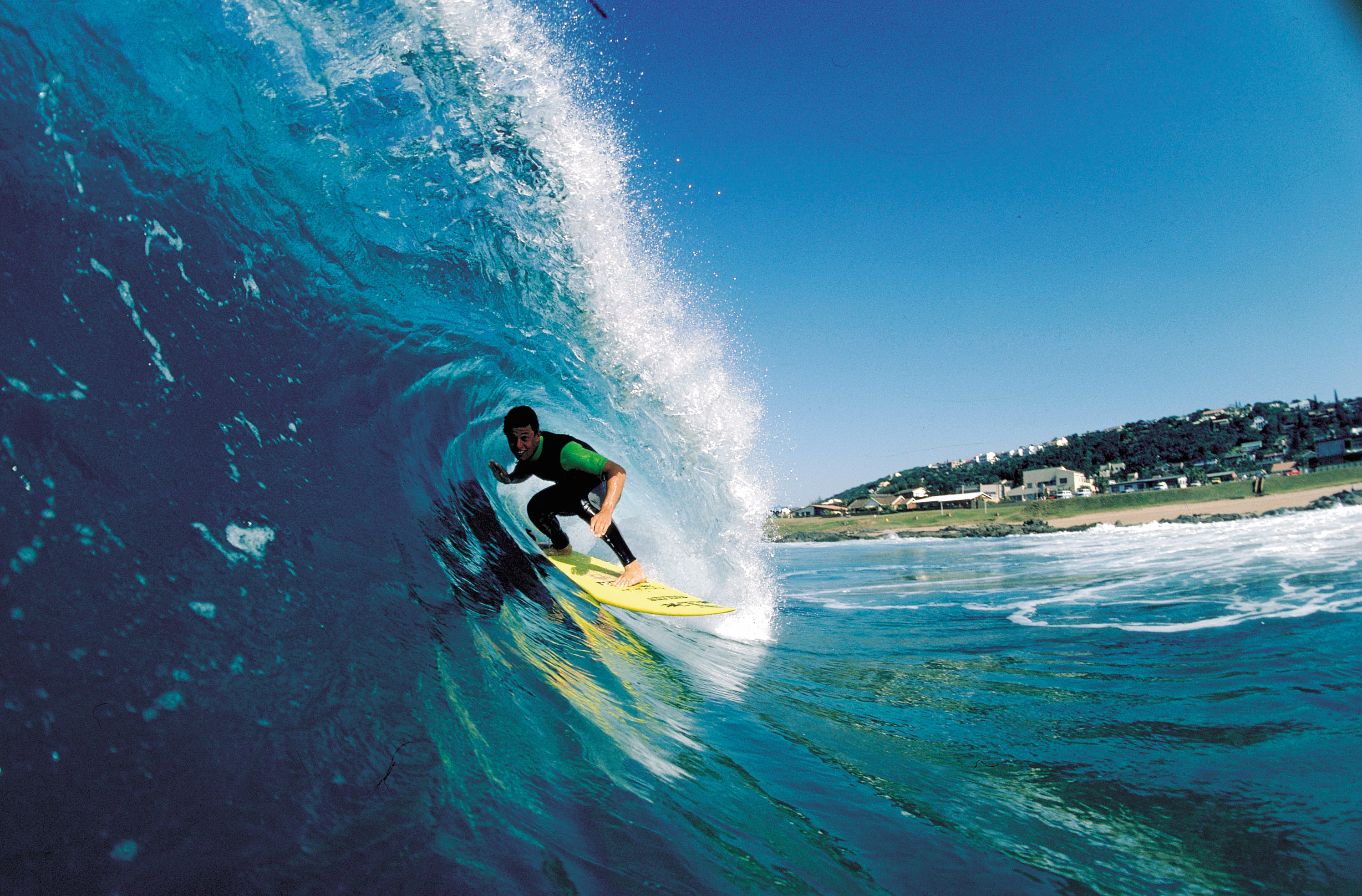
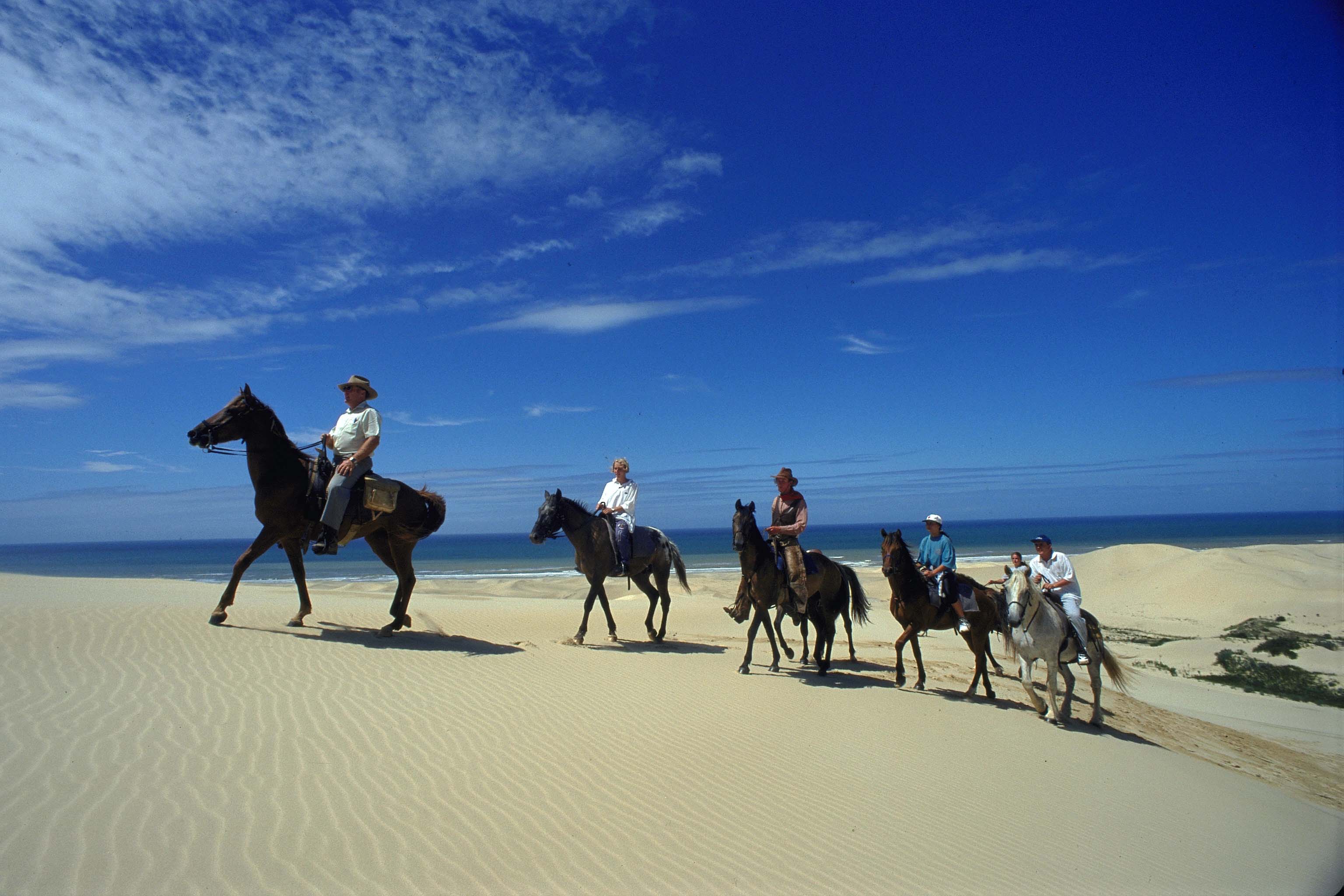
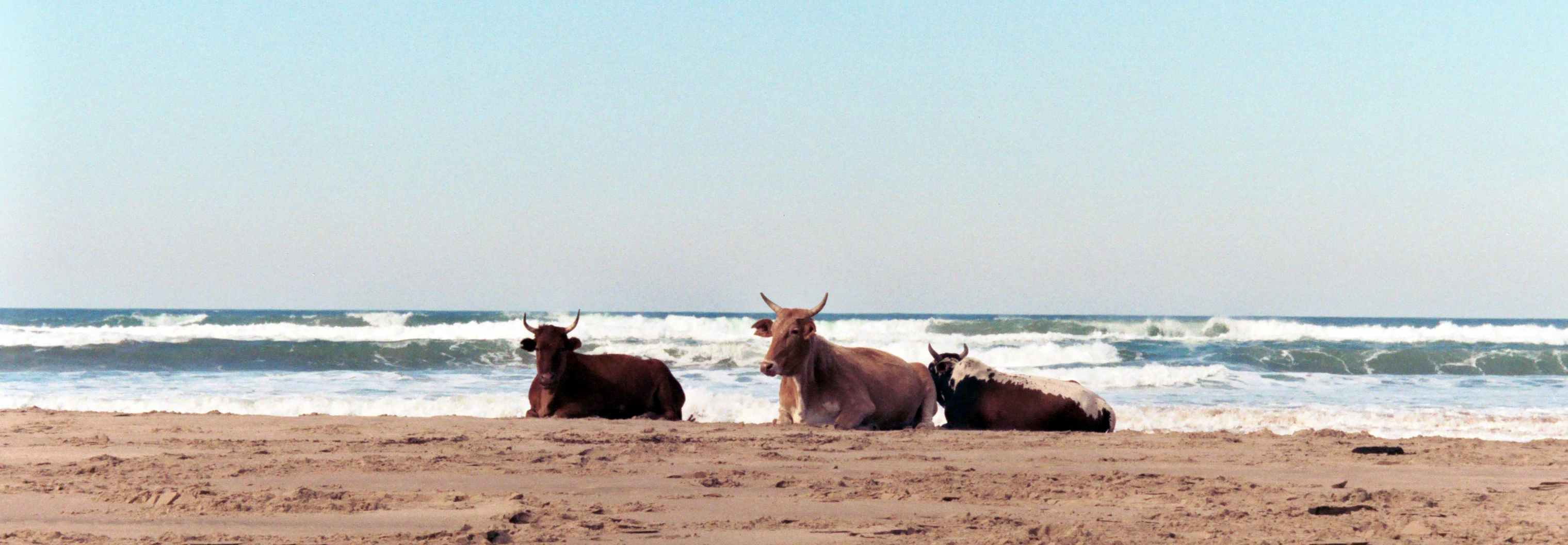
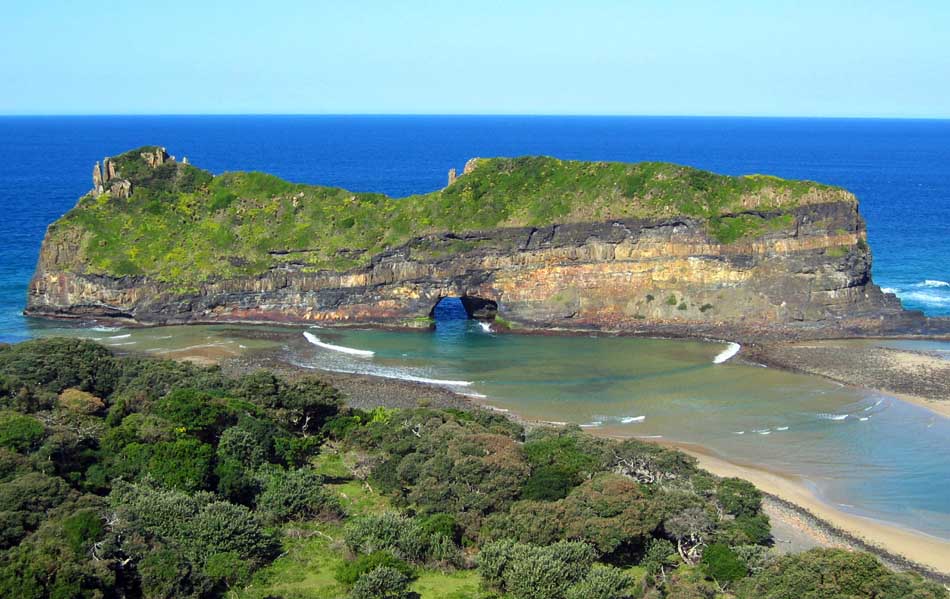
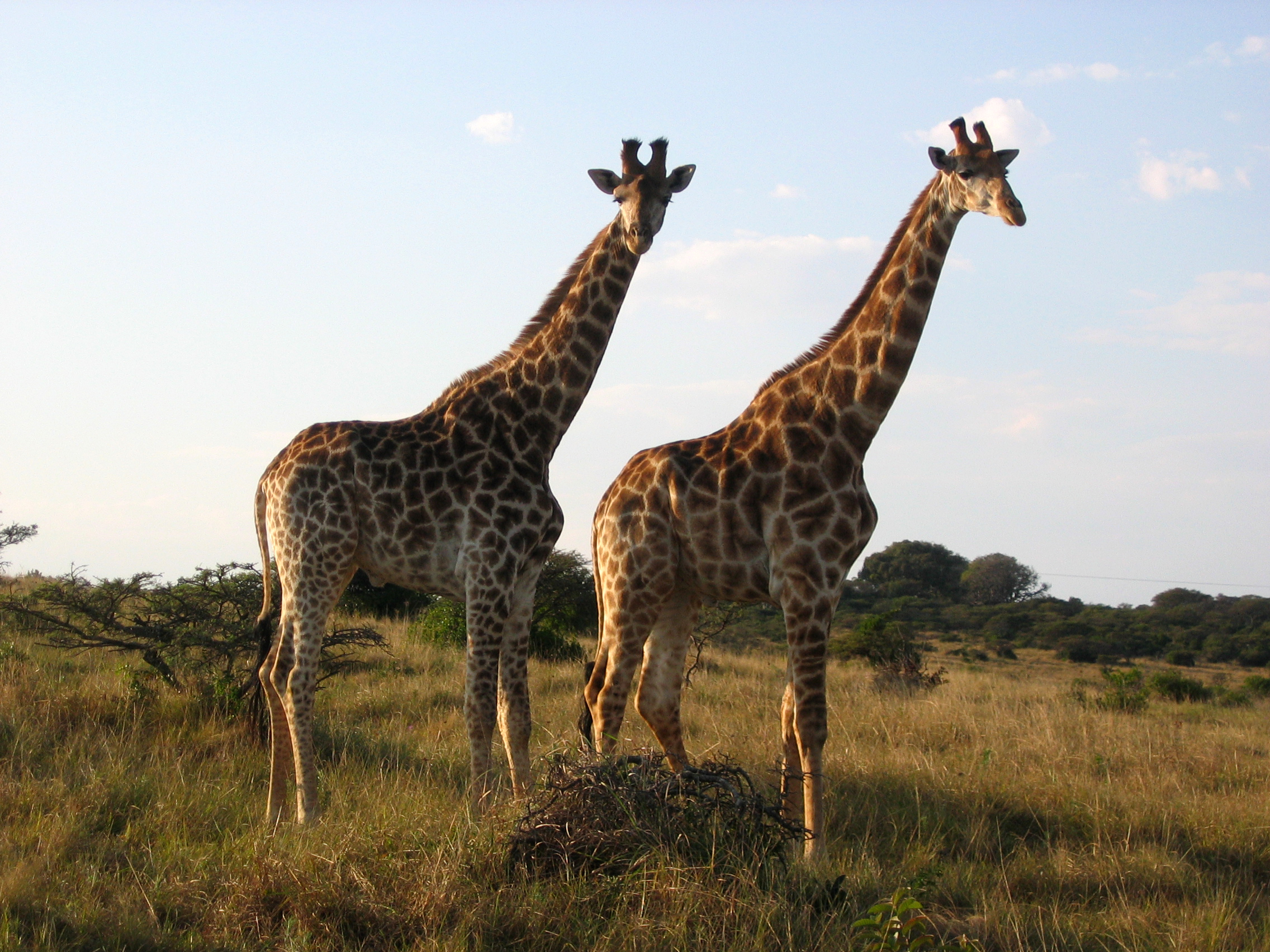
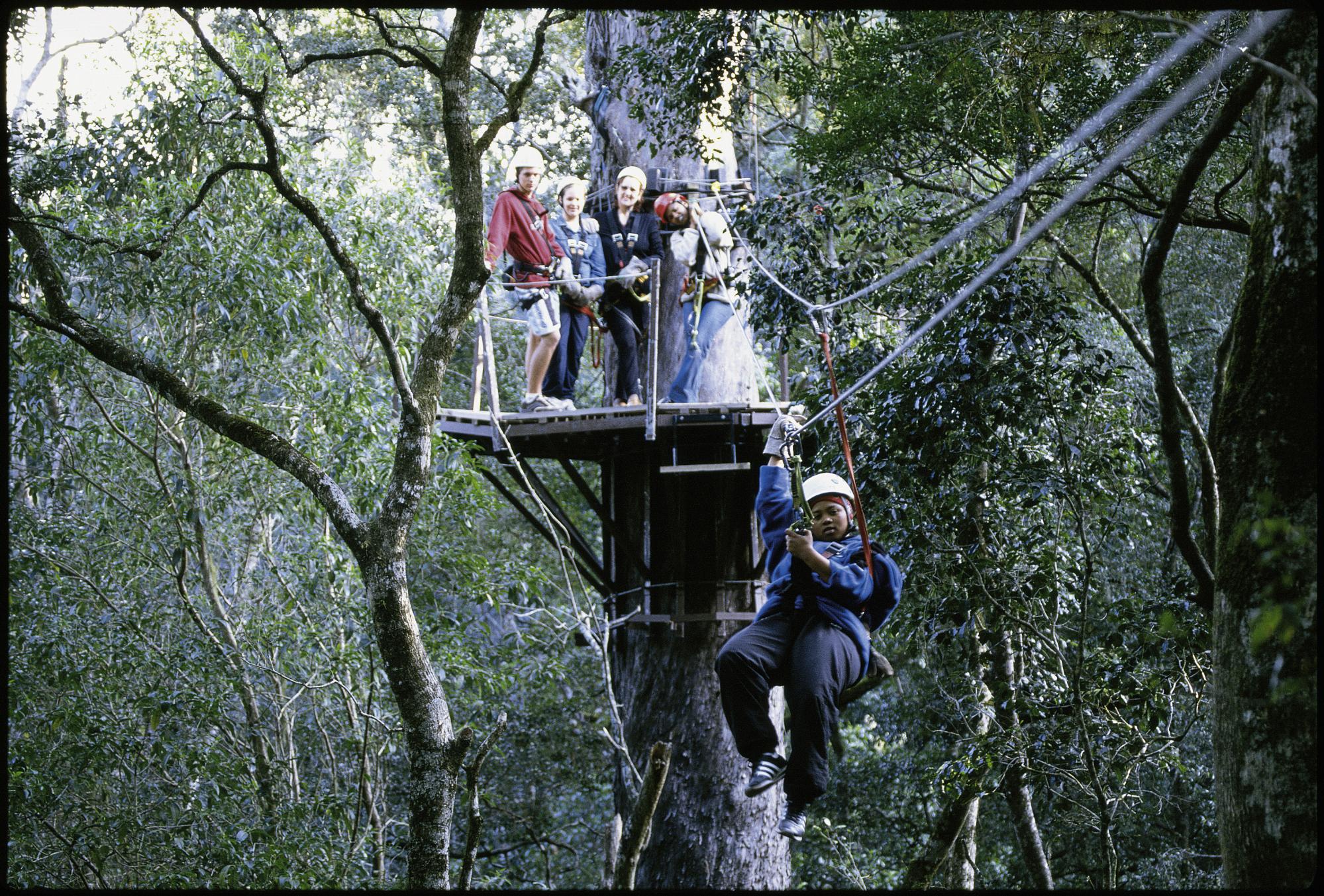
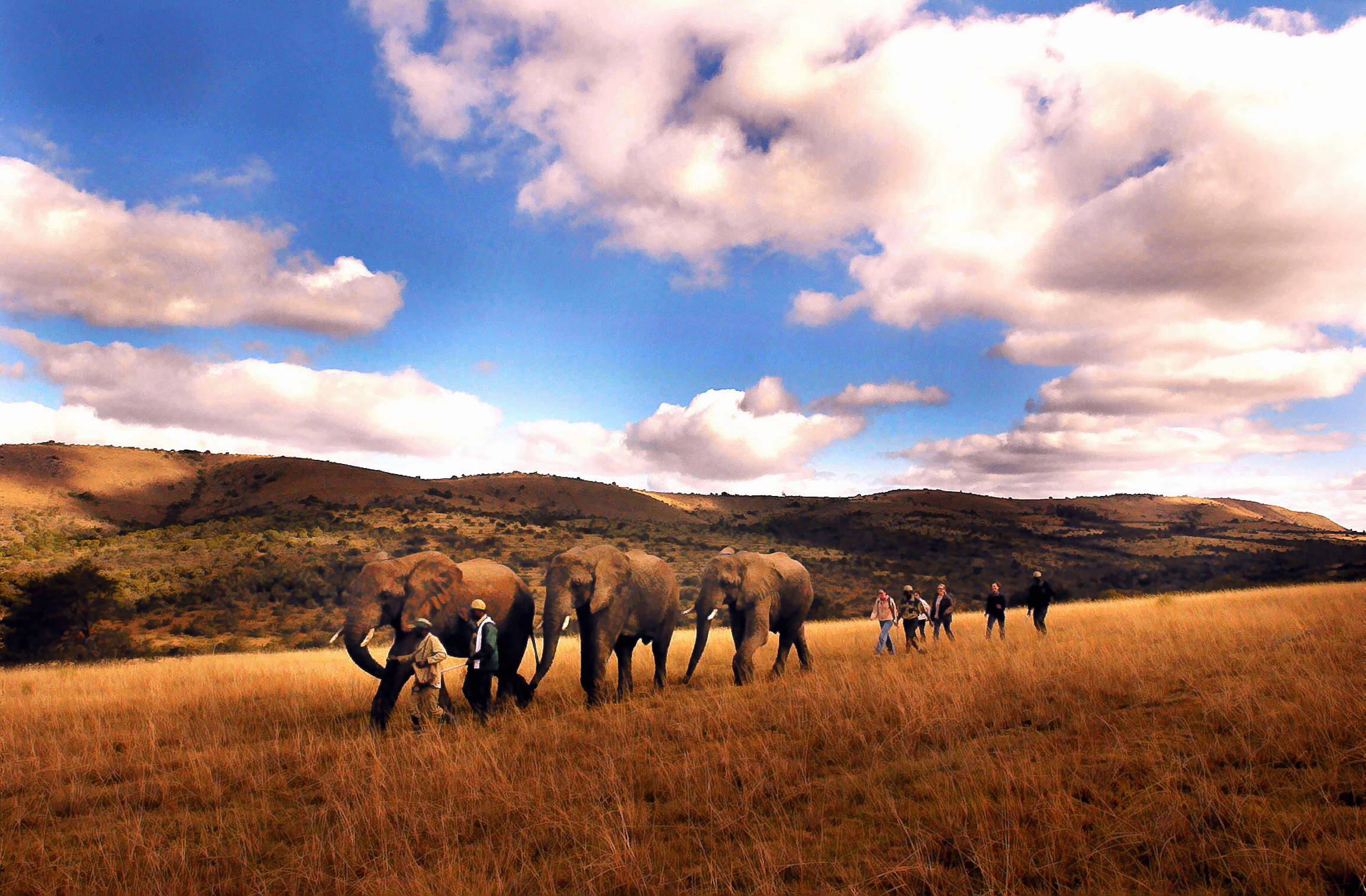
The Eastern Cape is a culmination of all the great holiday destinations in southern Africa. Stretching from Cape St Francis in the west to the Wild Coast in the east, the area boasts some of the best beaches in South Africa. Visitors find seven of South Africa’s ecological zones, as well as an unparalleled range of climates, landscapes and cultures. With miles of pristine beaches, secluded lagoons, rocky coves and cliffs, the Eastern Cape’s most important natural feature is its spectacular coastline and main tourist attraction. The Eastern Cape is also well-known for its sandy beaches which stretch for miles along the coast. Today, the province boasts four of the 36 Blue Flag beaches in South Africa– Dolphin Beach in Jeffrey's Bay, Kelly’s Beach in Port Alfred, Kariega in Kenton-on-Sea and the Humewood Beach in Port Elizabeth. The Blue Flag is a voluntary eco-label awarded to over 3,850 beaches and marinas in 46 countries across the globe. Marine life is abundant along the Eastern Cape coast, and visitors often spot pods of dolphins playing just off the shoreline. Whales also pass through the area on their way up to the Western Cape coast to breed from September to December. The malaria-free Eastern Cape is one of the few places in the world where visitors can get close to the Big 7 in real life. The Great White shark and seasonal Southern Right whale complete the Big 7 which also includes buffalo, elephant, leopard, lion and rhino. There are hundreds of game farms throughout the Eastern Cape which offer luxurious five star accommodation and Big 5 safaris. The Eastern Cape's natural diversity ranges from the evergreen Tsitsikamma Forest, with its renowned Otter Trail, to the rugged Baviaanskloof Wilderness Area, the southern slopes of the Drakensberg and the imposing Great Karoo. The Eastern Cape offers visitors every type of outdoor experience. The waves of the warm Indian Ocean beckon surfers, kite-boarders and sailors. The vast open space and fresh air invite cyclists and runners to explore, while world renowned hiking trails are a hiker’s dream. Bridges and craggy mountain-tops wait in anticipation for the thrill-seeking bungee-jumpers. More details are available from the agency responsible for the province’s tourism project and nature reserves/parks (link to www.visiteasterncape.co.za ).
Superior lifestyle
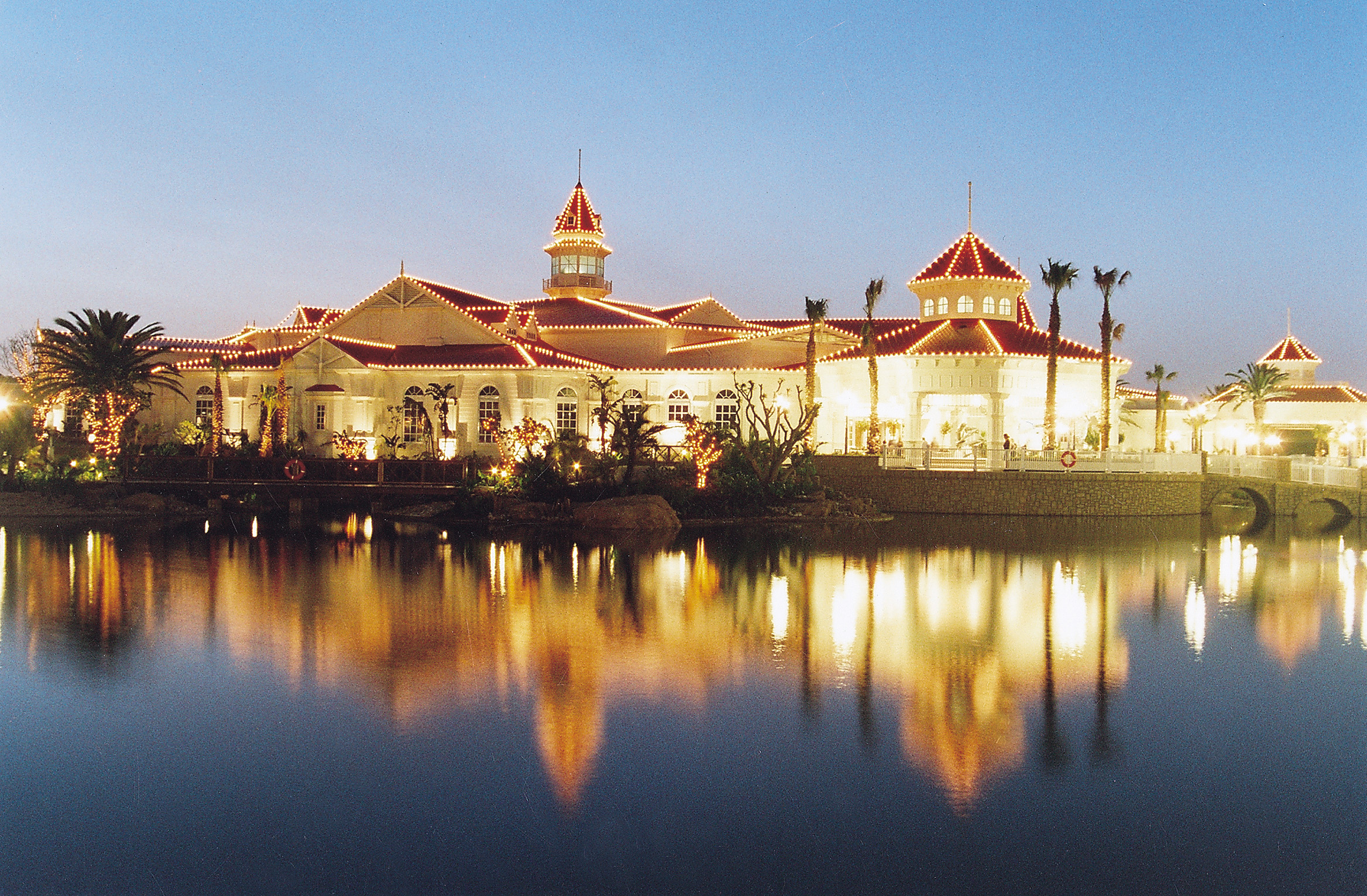
To choose to live in the Eastern Cape is to choose a superior lifestyle with all modern conveniences at hand. Here, more than 300 days in a year are sunny, a magnificent coastline stretches along 800km of the warm Indian Ocean, numerous unspoiled estuaries run into the sea, and in winter, snow caps the mountains inland. Perhaps most appealing is its lifestyle component – Ubuntu - community spirit that is war, welcoming, uniquely African and globally recognised. Affordable, safe, blessed with world class educational institutions and moving forward developmentally – the Eastern Cape – Home of Legends.
Economy
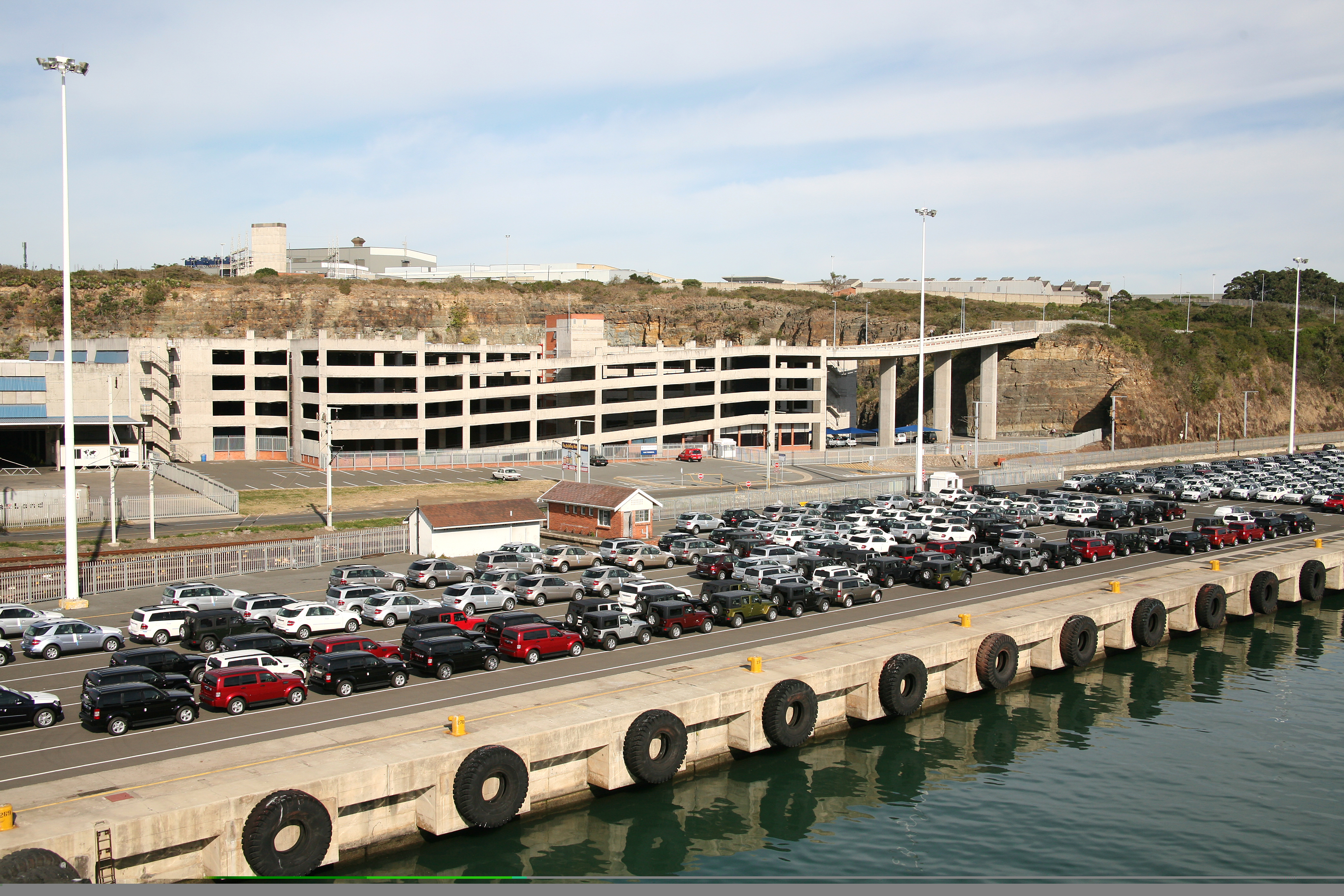
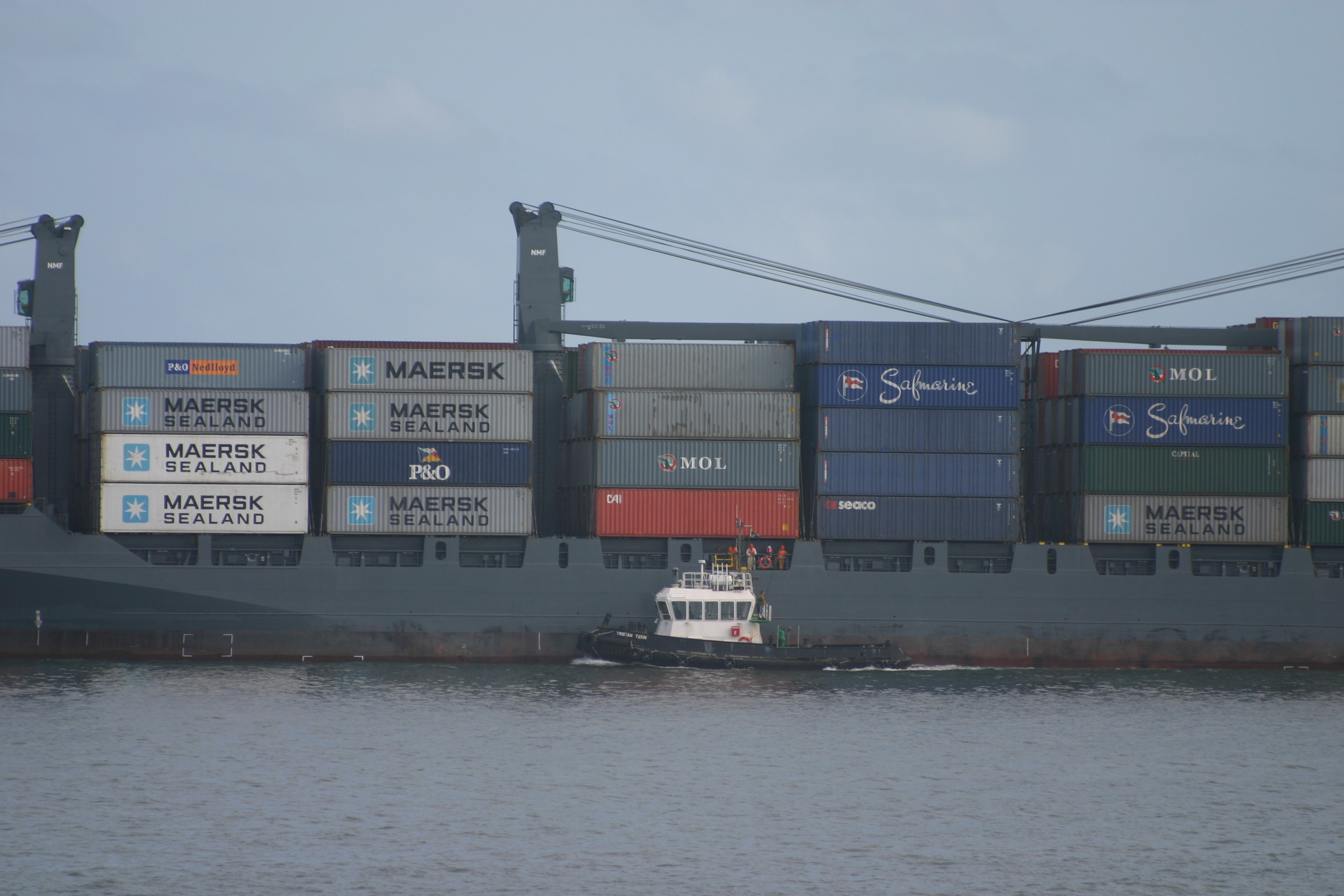
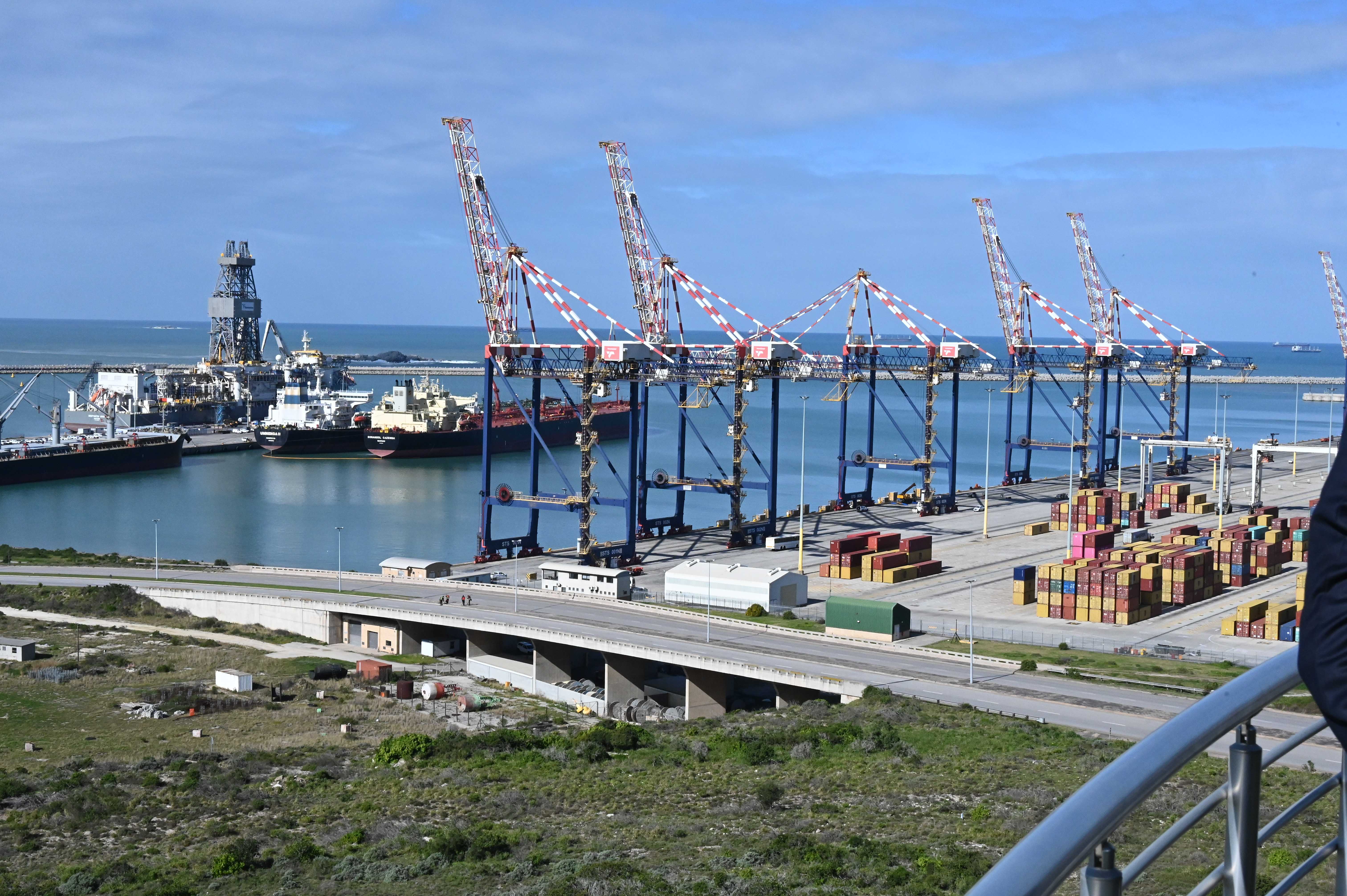
The Eastern Cape economy is characterised by the concentration of economic activity in urban nodes and the prominence of secondary and tertiary sectors. With 800km coastline and mesmerising inland has significant tourism appeal. It attracts 354,957 (2010) tourists to its shores. In 2010 domestic tourists reached a significant high of 4 million. The province lies equidistant from the major market centres of South Africa. It is linked to those centres by a modern network of air, roads and railways. It lies between two of South Africa’s major economic hubs, the Western Cape and KwaZulu-Natal provinces, which offers easy linkages to these nodes. It is also the only province to have three harbours – the Port of East London, Port Elizabeth and Ngqura. The Port of Ngqura, the country’s only transhipment hub, allows for easy access to global markets for local investors The Eastern Cape’s gross domestic product contributions of 2.7% in 2011 gave it a ranking of 4th place out of the nine provinces. The manufacturing sector in the Eastern Cape is largely driven by the automotive subsector. The automotive subsector accounts for 30% of manufacturing employment and 32% of manufacturing gross value added (GVA) in the province. Four large original equipment manufacturers, Volkswagen, Mercedes Benz, Ford and General Motors, are based in the Eastern Cape. The province produces half of South Africa’s passenger vehicles and generates 51% of the country’s motor exports. The province is both the fourth largest exporter and importer of products, driven mostly by the automotive sector. In 2011, contributions to GDPR by government grew by 3.8% year-on-year (YoY), finance by 1.8% and 3.0% YoY and the manufacturing sector by 1.7% YoY. For most the most recent quarterly statistics on the economy, visit the Eastern Cape Socio-Economic Consultative Council (link to website).