Amahlathi Local Municipality is accelerating infrastructure development across its urban and rural communities, with significant investments in roads and bridge rehabilitation. This is aimed at improving access to essential services, strengthening service delivery, creating employment and unlocking local economic opportunities. Under the leadership of Mayor Nomakhosazana Nongqayi and the Municipal Council, the municipality is currently implementing projects in Cenyu Village, Keiskammahoek and Stutterheim.
In Cenyu Village, the municipality has allocated R14 million towards a disaster relief road project that will see two kilometres of road paved and a further two kilometres re-gravelled. The project will significantly improve mobility for residents by providing safer and more reliable access to schools, healthcare facilities, businesses and other essential services. Importantly, the project is also creating opportunities for local residents, with six general workers and three security personnel expected to be employed during the construction period.
Amahlathi Municipality is also strengthening its internal technical capacity through the R2 million Cenyuland In-House Construction Project, which includes the construction of a culvert bridge. The project will be implemented using the municipalitys own technical expertise and workforce, supporting the municipalitys cost-containment measures while maximising the use of available internal capacity. This approach demonstrates the municipalitys commitment to achieving value for money, strengthening institutional capability and making responsible use of public resources.
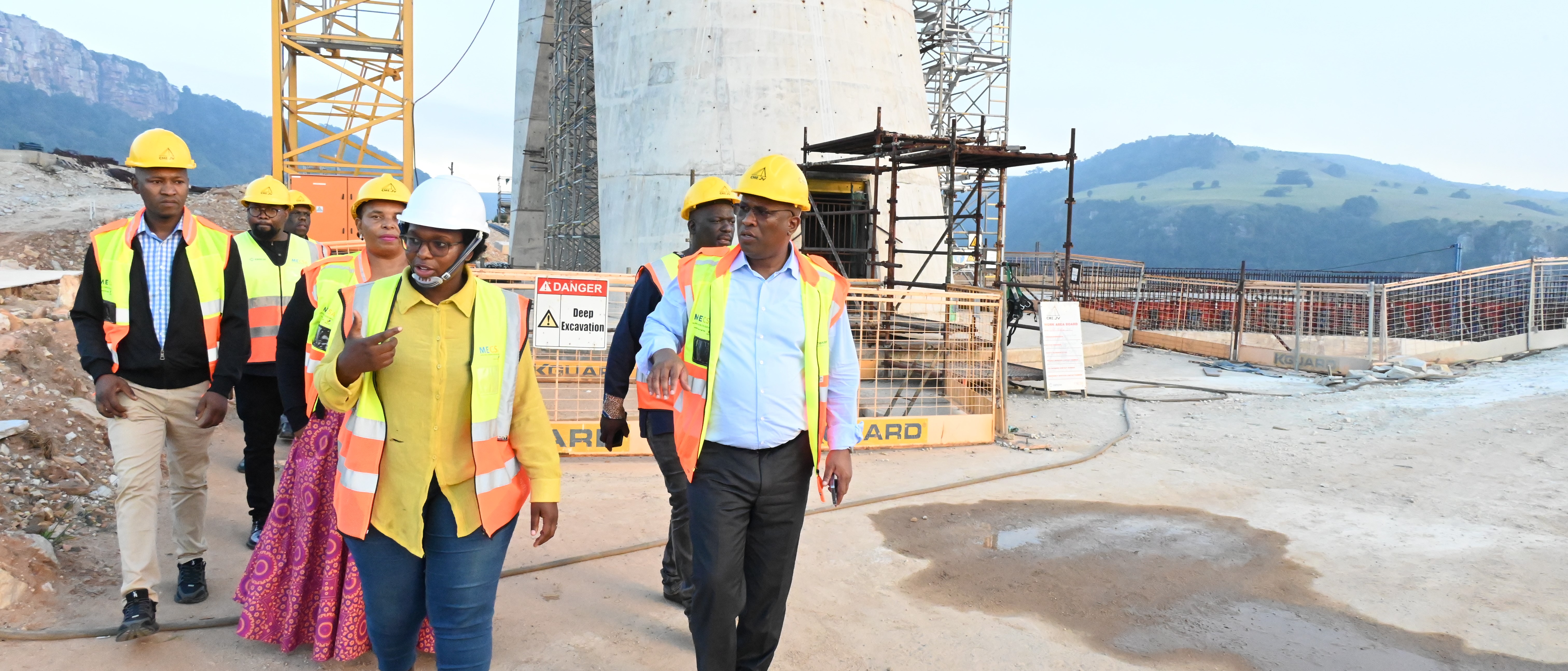
In Keiskammahoek, Mayor Nongqayi officially introduced the appointed contractor for the Upper Zingcuka Bridge and Roads Project in Ward 1. Implemented through the Disaster Grant, the project represents an investment of R14.5 million in the construction and refurbishment of the Upper Zingcuka Bridge and surrounding roads.
Meanwhile in Stutterheim, the Mayor officially handed over a R28 million multi-year road rehabilitation project to the appointed contractor. The project is aimed at restoring key roads, improving mobility and supporting the continued functioning of the local economy. During the handover, Mayor Nongqayi highlighted the importance of maintaining the towns infrastructure as part of protecting the municipality revenue base and supporting sustainable development across both urban and rural communities.
"Our rate-paying residents in town keep municipal services running. If we neglect the town centre where business happens, everyone suffers. By allocating 60% of our infrastructure budget to town revival and 40% to rural villages, we protect our revenue base while driving rural development," she said.
The R28 million project will focus on the upgrading and resurfacing of major roads, including critical arterial and essential access routes throughout Stutterheim. As a multi-year intervention, the project will continue across the current and upcoming financial years, allowing the municipality to undertake comprehensive rehabilitation while maintaining the required construction and quality standards.
Beyond improving roads and bridges, Amahlathi Municipality is using its infrastructure programme to advance local economic development and skills development. Contractors are expected to mentor local subcontractors and labourers while supporting local SMMEs to strengthen their capacity and improve their Construction Industry Development Board (CIDB) grading from Grade 1 upwards.
The Stutterheim project is expected to create employment opportunities for 10 general workers and three security guards during the construction period. Mayor Nongqayi has further stressed the importance of quality workmanship, accountability, value for money and meaningful community participation in the implementation of municipal infrastructure projects.
Through these investments, Amahlathi Local Municipality continues to demonstrate that infrastructure development is central to improving the quality of life of residents and creating an enabling environment for economic growth.