

The Department of Agriculture in the Eastern Cape has been making great strides since the sector pronounced as an economic growth frontier under the 7th administration. These efforts are in line with the province s agenda of inclusive growth, food security, and sustainable rural development.
The current administration assumed office, exactly year after the report by the Humanhigh levels of hunger is largely driven not by the shortage of food but rather lack of access to it. The Department of Agriculture led by MEC Nonceba Kontsiwe embarked on a multi-pronged approach to increase food production and improve access. This strategy forms part of 2025-2030 strategy marking the final phase towards achieving Vision 2030, a dynamic and interconnected province where all residents can reach their full potential.
The Eastern Cape consists of Communal and Smallholder farmers engaged in subsistence farming. Agriculture MEC placed emphasis on increasing food production for all residents. Provincial government announced that efforts should be made to support them to transition into commercial farming.
One of the flagship programmes, Ilima-lokulima was launched and is being implemented as a mass, community-driven food production programme that promotes active land use, local food systems, and household-level food security.
To improve mechaninsation and boost productivity, 16 Tractors accompanied by Agricultural inputs were delivered to marginalised farmers who previously used manual labour.
In addition, Irrigation Schemes Revitatilisation Launched to unlock agricultural potential and transform smallholder and subsistence producers into sustainable commercial farming enterprises and the building of local agri-processing.
The province boasts the largest share of the country's livestock, with 38% of the goats, 30% of the sheep, 25% of the cattle, and approximately 20% of the horticultural crops. To strengthen this sector Livestock Improvement Programme was implemented in the O.R Tambo, around Qumbu and Tsolo as well as Ngqushwa respectively. Over 300 high quality merino sheep were delivered to the King Sabatha Dalindyebo and King Mhlontlo are. The livestock improvement initiative included the delivery of 370 high-calibre beef cattle in Ngqushwa, a 400-herd feedlot at Birha Beef Complex, valued at R3-million.
The province produces over 15 million kilograms of wool annually and supplies more than half of the world's mohair. MEC Kontsiwe officially handed over shearing sheds across the province to help subsistence participate fully in commercial markets. Recovery and diversification of Magwa Tea Estate remain a strategic priority for rural agro-industrialisation.
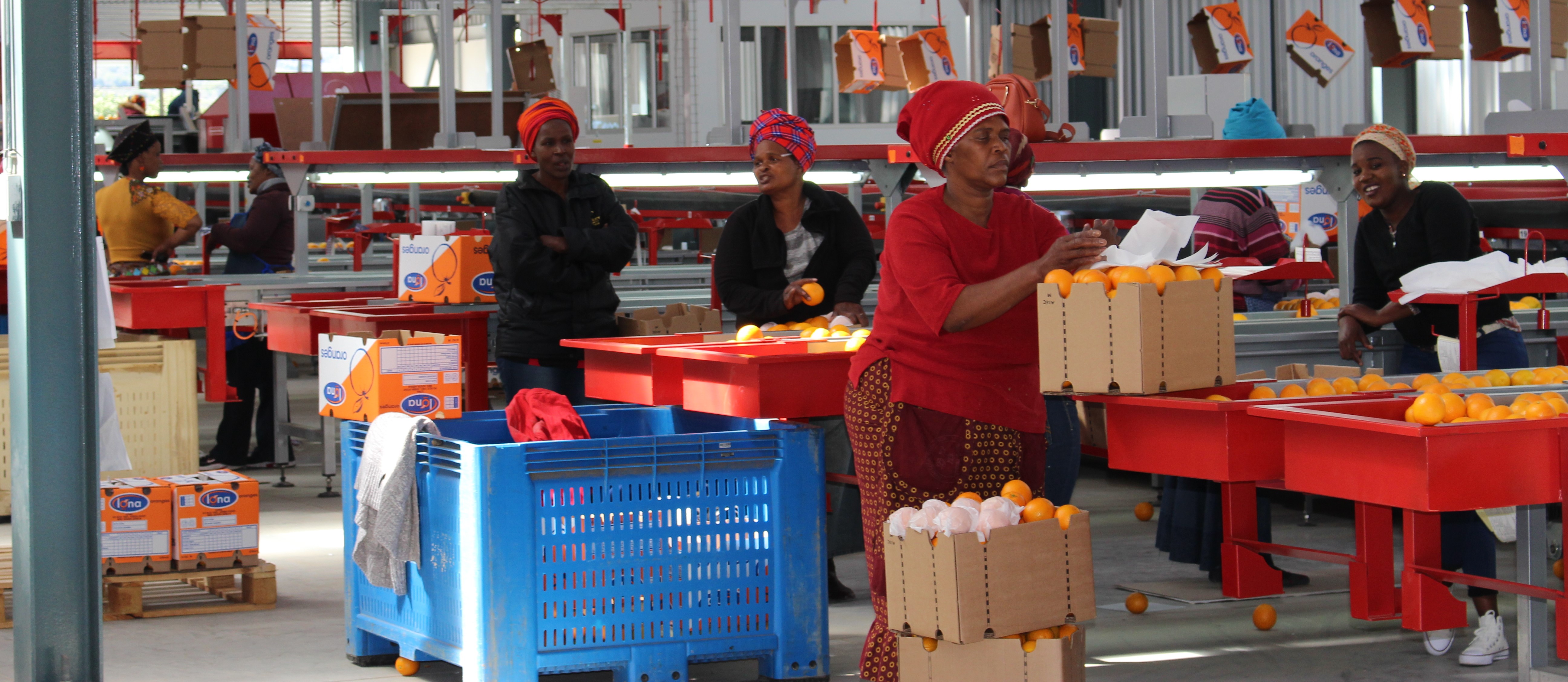
Expansion of priority commodity value chains includes grain, citrus, poultry, red meat, wool, mohair, vegetables, horticulture, cannabis, and aquaculture. Continued investment in enabling infrastructure such as fencing, irrigation systems, tunnels, packhouses, livestock handling facilities, and water harvesting technologies is ongoing.
The Department is partnering with the University of Fort Hare to establish a Veterinary School, contributing to long-term sector sustainability and skills development.
The province is home to 16% of the country's milk producers and contributes 26% of the milk produced in South Africa.
The Department is currently confronting the devastating outbreak of Foot and Mouth Disease (FMD), which has affected several parts of the country. Following the successful containment of the disease in the Kouga and Kou-Kamma areas in 2024, the province has once again mobilised its veterinary officials, animal health technicians, and critical resources to prevent further spread.

