


The Eastern Cape Department of Health is entering 2026 with renewed momentum, translating strategic planning into visible progress on the ground. From major hospital construction projects and the recruitment of hundreds of healthcare professionals, to expanding emergency services and strengthening prevention programmes, the Department is steadily building a health system that delivers for its people.
These achievements reflect a deliberate shift towards restoring capacity, improving access, and investing in the long-term sustainability of healthcare services across the province.
Infrastructure Programme Gains Ground, Bringing Modern Healthcare Closer to Communities:
A cornerstone of this progress is the Department s accelerated infrastructure delivery programme, which is transforming healthcare facilities across the province and correcting decades of underinvestment in critical infrastructure.
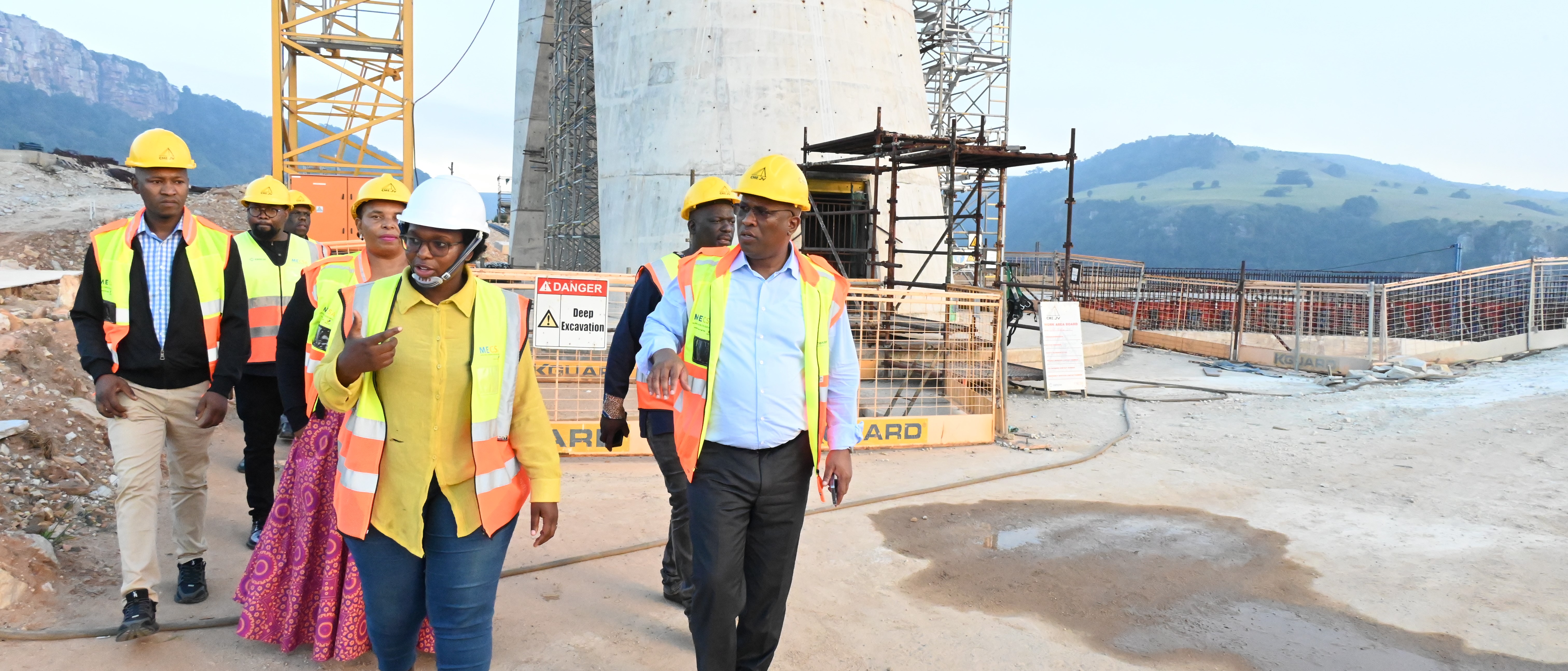
In January/February 2026, the Health MEC, Ntandokazi Capa, led an extensive infrastructure oversight drive across Alfred Nzo and OR Tambo Districts, reaffirming the Department s commitment to accountability, delivery, and quality.
Among the most significant projects is the construction of the new 100-bed Greenville District Hospital in Mpandinini, a R168 million investment that will fundamentally change healthcare access for surrounding communities. For years, patients in this area have had to travel more than 250 kilometres to access higher-level care. Once complete, this modern facility will bring essential services closer to home, reduce referral pressures on regional hospitals, and ensure that rural communities receive dignified, quality care within their own district.
Equally significant is the completion of the Meje Community Health Centre, a flagship National Health Insurance facility in Alfred Nzo District. This modern centre replaces ageing infrastructure and introduces a new standard of primary healthcare delivery in the area. Beyond improving access to services, the project has already created hundreds of jobs, empowered local small businesses through subcontracting opportunities, and invested in skills development for local workers, demonstrating how health infrastructure also contributes to economic development.
The redevelopment of Bambisana Hospital is another transformative investment. This project is modernising a critical district hospital serving thousands of residents in the OR Tambo District. New wards, improved clinical spaces, and upgraded staff accommodation are already improving working conditions for healthcare professionals and enhancing patient care.
These projects form part of a broader infrastructure pipeline that includes the redevelopment of hospitals such as Zithulele and Madwaleni, which will further expand clinical capacity and strengthen referral systems across the province.
More updates will be shared as these projects continue to progress towards completion, marking critical milestones in the province s infrastructure renewal programme.
Historic Workforce Recruitment Strengthens Frontline Services:
Infrastructure alone cannot transform healthcare it must be matched by investment in people. Recognising this, the Department has undertaken one of its most significant workforce expansion drives in recent years.
In February 2026, MEC Capa officially welcomed 50 newly appointed healthcare professionals at Frere Tertiary Hospital, including specialists, doctors, nurses, and senior clinical leaders. This milestone marked the successful placement of all critical posts identified for the institution, strengthening its ability to deliver specialised services.
This forms part of a much broader provincial recruitment effort that is already delivering tangible results.
Through the Ministerial Intervention Programme, the Department has secured funding to recruit more than 429 additional healthcare professionals, reinforcing the province s clinical backbone. These appointments include medical officers, emergency care practitioners, nurses, and rehabilitation professionals all critical to improving patient care and reducing service pressures.
Importantly, the recruitment of 248 Emergency Care Officers and paramedics is directly strengthening the province s emergency medical services. These professionals are enabling the activation of 31 additional ambulances, dramatically improving emergency response capacity and ensuring faster access to lifesaving care, particularly in rural and hard-to-reach communities.
At the same time, the arrival of interns and community service professionals, including hundreds of young doctors, is strengthening frontline services while building the next generation of healthcare professionals for the province.
Together, these appointments represent more than numbers; they represent restored capacity, improved patient care, and renewed confidence in the public health system.
Eastern Cape Launches First Public IVF Clinic, Bringing Hope to Thousands of Families:
In a historic breakthrough for reproductive healthcare, the Eastern Cape Department of Health has officially launched the province s first public In Vitro Fertilisation (IVF) Clinic at Nelson Mandela Academic Hospital in Mthatha.
This milestone positions the Eastern Cape among only a handful of provinces in South Africa offering public IVF services, making this facility just the fifth public IVF clinic in the country.
For thousands of families across the province, this represents far more than a new medical service it restores hope, dignity, and access to care that was previously out of reach. Until now, patients were forced to travel to other provinces or pay between R80,000 and R100,000 per cycle in the private sector, placing treatment beyond the reach of most citizens.
The establishment of the clinic reflects deliberate investment in both infrastructure and specialist skills. The Department has supported the training and placement of reproductive health specialists, embryologists, and specialised nursing staff to ensure the facility operates at international clinical standards.
Located at the province s only central hospital, which serves more than 3.6 million people, the IVF clinic strengthens Nelson Mandela Academic Hospital s role as a centre of excellence for highly specialised services.
Importantly, the clinic is not only providing treatment but also addressing stigma, advancing reproductive justice, and ensuring that public healthcare in the Eastern Cape continues to expand beyond basic services to include advanced, life-changing care.
This achievement marks a significant step forward in building a modern, inclusive health system that responds to the full healthcare needs of the people.
Investing in the Future Through Training and Innovation:
The Department is also investing in long-term solutions to ensure the sustainability of healthcare services.
The launch of the Walter Sisulu University Rural Clinical School at St Elizabeth Regional Hospital marks a turning point in rural healthcare training. By placing medical students directly in rural facilities, the programme is building a pipeline of healthcare professionals who are trained in and committed to serving rural communities. This initiative is expected to play a critical role in addressing persistent staffing shortages and strengthening healthcare delivery where it is needed most. 10 intern doctors have already been placed within the clinic and have been at work since January 2026.
Taken together, these achievements signal a department that is actively rebuilding and strengthening the healthcare system. It is progress that is restoring access, strengthening services, and rebuilding public confidence. And it is progress that reflects a clear and unwavering commitment: to deliver quality healthcare to the people of the Eastern Cape.

